

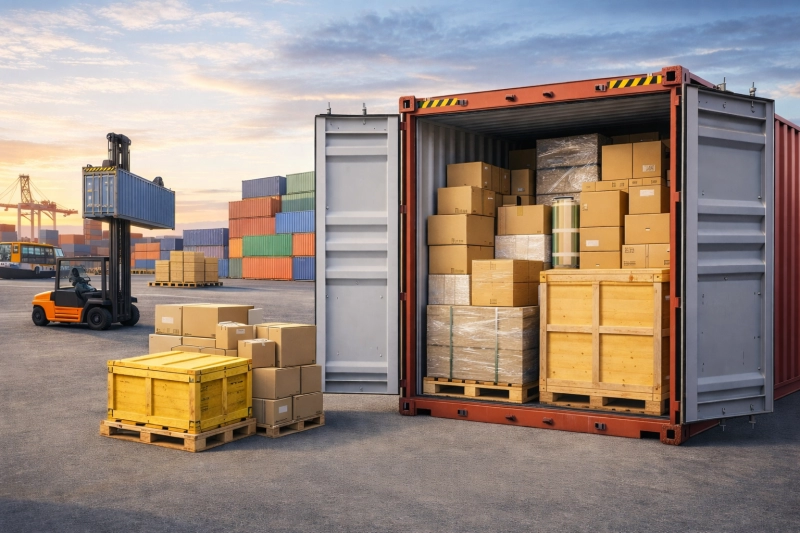
LCL Freight is a shipping method where multiple shippers share space inside one container, making it a cost-effective option for businesses that do not have enough cargo to fill an entire container. Instead of paying for a full container, companies pay only for the space their goods occupy. This approach is commonly used by importers and exporters who ship smaller volumes internationally.
For many businesses, especially small and medium-sized companies, LCL Freight, combined with reliable LCL consolidation services by Express Freight Services, offers flexibility, lower costs, and easier international logistics management. However, it is not always the right choice for every shipment.
This guide explains when businesses should choose LCL Freight instead of full container shipping, along with its benefits, drawbacks, and practical examples.
What Is the Difference Between LCL Freight and FCL Shipping?
Before deciding which shipping method works best, it helps to understand the basic differences.
LCL Freight (Less than Container Load)
Cargo from multiple exporters is combined into one container through LCL consolidation services. Each shipper pays based on cargo volume.
FCL Shipping (Full Container Load)
A single exporter uses the entire container for their shipment, regardless of whether the container is filled.
Key Differences
When Should Businesses Choose LCL Freight?
There are several situations where LCL Freight becomes the smarter shipping option.
When Shipment Volume Is Small
If your cargo volume is below 15 cubic meters, LCL Freight is usually more economical.
Example
A company importing electronics accessories from Asia may only ship a few pallets per month. Using LCL consolidation services allows them to avoid paying for unused container space.
When You Want to Reduce Shipping Costs
Small businesses often operate on tight budgets. Paying for a full container may not be practical.
With LCL Freight, businesses share container costs with other shippers, making international shipping more affordable.
When Businesses Ship Frequently but in Smaller Quantities
Some companies prefer to move inventory regularly instead of shipping large batches.
For example
A retailer importing home decor products every two weeks can use LCL Freight to maintain a steady inventory flow without waiting to fill a container.
When Testing a New Market
Businesses expanding into new international markets may not want to commit to large shipments initially.
In this case, LCL consolidation services allow companies to ship smaller volumes while testing demand.
When Warehousing Space Is Limited
Receiving large shipments requires storage space.
By using LCL Freight, businesses can manage smaller deliveries and reduce warehouse pressure.
Benefits of Choosing LCL Freight
Lower Shipping Costs
Businesses only pay for the cargo space they use, which is ideal for small shipments.
Flexible Shipping Options
Companies can ship goods more frequently without waiting for enough cargo to fill a container.
Access to Global Markets
Small and medium businesses can participate in international trade without large logistics budgets.
Efficient Use of Container Space
Through LCL consolidation services, freight forwarders combine shipments from multiple clients to maximize container efficiency.
Pros of LCL Freight
- Cost-effective for small shipments
- Ideal for startups and small businesses
- Allows frequent shipments
- Reduces storage and inventory costs
- Enables businesses to test new products or markets
Cons of LCL Freight
While LCL Freight has clear advantages, there are also some limitations.
Longer Transit Time
Cargo needs to be consolidated at the origin and separated at the destination, which can add handling time.
More Handling
Because shipments share containers, goods may be handled multiple times during consolidation and deconsolidation.
Potential Risk of Damage
Multiple shipments in one container increase the need for proper packaging.
Additional Charges
There may be consolidation and documentation charges depending on the logistics provider.
Real Business Examples of LCL Freight Usage
Example 1: Small Retail Importer
A boutique retailer importing fashion accessories from Thailand ships about five cubic meters each month. Instead of paying for a full container, they use LCL Freight through LCL consolidation services to keep costs manageable.
Example 2: Electronics Distributor
An electronics distributor importing spare parts from China ships small but frequent orders to maintain inventory availability. LCL Freight helps them avoid stock shortages without large shipments.
Example 3: Startup Exporter
A startup exporting handmade products to Europe begins with small shipments. Using LCL Freight allows them to expand internationally without heavy logistics costs.
How LCL Consolidation Services Work
Freight forwarders collect smaller shipments from multiple exporters and combine them into one container. This process is known as LCL consolidation services.
The typical steps include:
- Cargo collection from exporters
- Consolidation at a freight warehouse
- Container loading and international shipping
- Deconsolidation at the destination port
- Final delivery to the consignee
Reliable logistics providers manage this process efficiently to ensure safe and timely delivery.
How to Decide Between LCL and FCL Shipping
Businesses should evaluate several factors before choosing.
Shipment Volume
If cargo volume is small, LCL Freight is usually the better option.
Delivery Urgency
FCL shipping may be faster because there is less cargo handling.
Budget
Companies with limited logistics budgets often prefer LCL Freight.
Product Type
Fragile or high value cargo may require extra packaging when shipped through LCL consolidation services.
Why Businesses Work With Freight Forwarders for LCL Freight
Managing international shipments involves documentation, customs clearance, cargo consolidation, and coordination with carriers.
Professional freight forwarders simplify this process by offering:
- Reliable LCL consolidation services
- Cargo handling and packaging guidance
- Customs clearance support
- Global shipping network access
- Real-time shipment tracking
This support allows businesses to focus on operations rather than logistics complications.
Conclusion
LCL Freight is an excellent option for businesses that ship smaller cargo volumes, want to reduce logistics costs, or need flexible international shipping solutions. By sharing container space with other exporters through LCL consolidation services, companies can access global markets without committing to full container loads.
However, businesses should carefully evaluate shipment size, delivery timelines, and cargo type before choosing between LCL and FCL shipping. When used in the right situations, LCL Freight provides a practical and cost efficient way to manage international trade.
View More Blogs

How Much Does Air Freight to Rustaq Cost? A Guide for importers and exporters
Air freight to Rustaq costs depend on shipment weight, volume, route origin, and urgency, but most i...

Oman Customs Clearance Through Sohar Port: Documents, Duties and Cargo Release
Customs clearance through Sohar Port runs on Oman’s Bayan electronic platform, where importers sub...

LCL Shipping in Seeb in 2026: What Importers Should Know About Costs, Consolidation and Customs
LCL consolidation in Seeb means sharing a container with other importers so you pay only for the spa...