
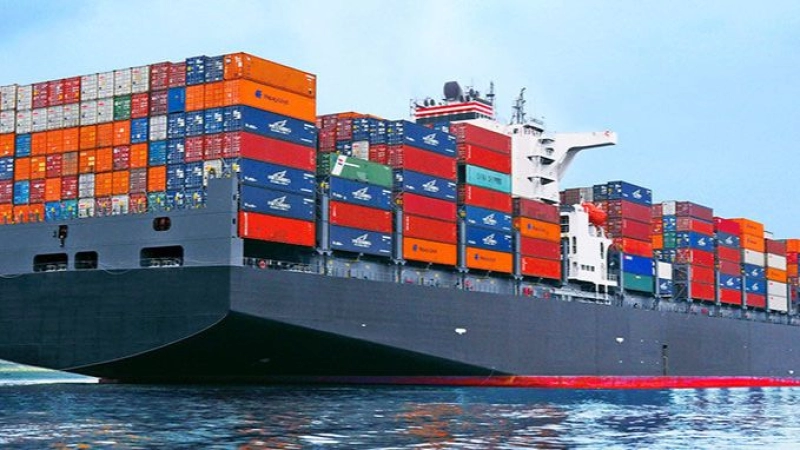
Shipping From Japan to Oman has quietly turned into one of those routes businesses depend on more than they probably talk about. Cargo moves between the two countries pretty regularly now. Machinery, electronics, automotive parts, industrial tools, retail products, there’s almost always something in transit somewhere between Japan and Oman.
And honestly, once you actually deal with international shipping yourself, you realise how much happens in the background that nobody mentions at first.
People usually assume it’s simple. Book the shipment, send documents, wait for delivery. Sounds easy enough. But then suppliers delay dispatch by a day or two, vessel schedules suddenly shift, warehouse teams ask for updated paperwork, customs needs one more correction and somehow a shipment that seemed completely routine becomes urgent overnight.
That’s usually the point where proper logistics support starts mattering a lot more than expected.
Express Freight Services works with businesses handling Shipping From Japan to Oman by keeping the process practical and organised without making things unnecessarily complicated. Some clients import every single month without fail. Others only move cargo when projects suddenly pick up speed or stock starts running lower than planned. Either way, staying flexible tends to matter more than having some “perfect” shipping setup.
Our Japan to Oman Shipping Services
No two shipments really behave the same way. That’s probably one of the first things businesses notice after importing for a while.
One company might be moving industrial machinery from multiple suppliers across Japan. Another could just be shipping a few pallets of electronics into Muscat. Then there are those smaller urgent shipments where timing suddenly becomes more important than the cargo size itself.
So yeah, flexibility matters more than people first expect.
Sea Freight Solutions
Sea freight is still one of the most practical options for Shipping From Japan to Oman, especially for businesses moving regular commercial cargo, pallet shipments, machinery, retail stock or industrial goods.
For example, if a company is importing workshop equipment or showroom materials, sea freight usually makes more sense because bulk movement becomes easier to manage that way. It’s not always the fastest route available, obviously, but for planned imports it tends to be stable and dependable.
With proper Freight Forwarding Services in Japan, shipments can move through supplier pickup, export preparation, documentation checks and booking coordination without everything turning chaotic halfway through the process.
And honestly, those smaller details handled properly at the beginning often prevent much bigger issues later once the shipment is already on the water.
Shared Container Shipping
Not every importer needs an entire container every time.
Actually, a lot of growing businesses move moderate cargo volumes instead of huge shipments, especially when sourcing from several suppliers across different cities in Japan.
That’s where LCL Consolidation Services in Japan usually help quite a bit. Smaller consignments can move together inside shared container space, which avoids paying for empty container capacity nobody really needs.
You’ll notice this works especially well for businesses trying to maintain regular imports without waiting weeks to build enough stock for full-container movement.
Once cargo arrives at destination, LCL Consolidation Services in Oman help organise, separate, and route shipments properly before delivery. Without proper coordination on the arrival side, smaller shipments can become surprisingly messy very quickly.
Air Freight for Urgent Shipments
Some cargo simply can’t afford delays.
Maybe a production line suddenly needs replacement machine parts. Maybe retail products are required before a launch date. Sometimes even one missing component ends up affecting an entire project schedule.
It happens more often than people admit, honestly.
In those situations, air freight usually becomes the practical choice. Faster movement, fewer waiting periods, quicker delivery planning.
A lot of companies actually switch between sea freight and air freight throughout the year depending on urgency, stock pressure, and operational schedules. It’s rarely one fixed system all year round.
Door-to-Door Delivery
Some businesses prefer having everything handled under one shipment process instead of speaking to separate companies for pickup, export handling, customs, transport and final delivery individually.
That’s where door-to-door delivery tends to simplify things.
Pickup from suppliers, cargo coordination, inland transport, customs handling, and final delivery can all move together under one organised shipment flow. Especially for first-time importers, fewer moving parts usually means fewer unnecessary headaches.
Why Choose Express Freight Services
A lot of logistics companies can arrange bookings. That part honestly isn’t difficult to find anymore.
The real difference usually shows up when something doesn’t go exactly according to plan.
Maybe the supplier suddenly delays cargo readiness. Maybe shipping paperwork needs urgent correction before cutoff timing. Or maybe the client changes delivery priorities halfway through the shipment.
These situations happen constantly in freight, even on well-planned shipments.
Express Freight Services focuses more on handling those real-world situations calmly and practically instead of simply forwarding updates without solutions attached.
Experience With GCC Cargo Movement
Shipping into Oman often involves much more than just moving cargo between two ports.
There’s customs coordination, warehouse handling, inland delivery planning, transport scheduling, document reviews, and communication between several parties at the same time. If even one part slows down unexpectedly, the rest of the process can feel it too.
That’s where GCC logistics experience becomes genuinely useful.
At origin, Freight Forwarding Services in Japan help coordinate supplier pickups, export handling, cargo preparation, and booking management before departure. After arrival, Freight Forwarding Services in Oman continue supporting the shipment through port handling, inland movement, and delivery coordination.
When both sides stay connected properly, cargo movement usually feels smoother overall. Not perfect every single time maybe, but definitely more manageable.
Practical Customs Support
Customs clearance is one of those things businesses rarely think much about... until cargo suddenly gets delayed because of one missing document.
Even small paperwork issues can slow shipments longer than expected.
That’s why Customs Clearance Services in Japan play such an important role before cargo even leaves the country. Export declarations, invoices, compliance paperwork, shipping documents, all of it needs proper attention early in the process.
Once shipments reach Oman, Customs Clearance Services in Oman help manage import processing and shipment release so cargo can continue moving without sitting unnecessarily at the port.
It may sound technical, maybe even boring honestly, but customs handling often decides whether a shipment moves smoothly or suddenly becomes stressful very quickly.
Transit Time and Delivery Options
Transit time for Shipping From Japan to Oman depends on several fairly normal factors. Cargo type, shipping method, route schedules, seasonal congestion, customs readiness all of it affects timing.
Sea freight is commonly used for planned inventory movement and larger commercial imports. Businesses with steady stock cycles usually prefer this option because schedules become easier to manage over time.
Air freight, meanwhile, is mostly selected when urgency becomes the bigger issue.
You’ll probably notice many companies use both methods throughout the year. Sea freight handles regular stock movement while air freight helps cover those urgent situations nobody planned for earlier.
Scheduled shipment planning is also available for businesses importing regularly. Keeping steady shipment intervals often helps avoid last-minute inventory pressure later on.
What We Ship
Shipping From Japan to Oman supports a pretty wide range of cargo categories across different industries.
Common shipments include:
- Automotive parts and accessories
- Industrial machinery
- Electronics and components
- Retail products
- Commercial equipment
- Construction materials
- Medical and technical supplies
- Office furniture and interiors
- Consumer goods
- Commercial cartons and pallet cargo
Some shipments move every month without much change. Others happen suddenly because project timelines shift or stock runs lower than expected.
Honestly, that unpredictability is just part of international trade sometimes.
Customs Clearance Support
Customs handling is usually where shipment delays quietly begin if paperwork isn’t prepared correctly from the start.
At origin, Customs Clearance Services in Japan help ensure export declarations, invoices, and cargo documents are prepared properly before departure. Small documentation issues ignored early often become much bigger problems later.
Once cargo reaches destination, Customs Clearance Services in Oman support import release and shipment processing so deliveries can continue moving toward final destination without unnecessary delays.
When customs planning is included from day one instead of treated like some last-minute task, shipments generally move much smoother overall.
Industries We Serve
Different industries rely on Shipping From Japan to Oman for completely different reasons.
Retail businesses import products before seasonal demand increases. Construction companies move equipment, fittings, and technical materials for active sites. Manufacturing businesses often require machinery parts or production equipment just to avoid operational downtime.
Automotive companies also regularly source spare parts and accessories from suppliers across Japan.
Even hospitality businesses import specialised equipment, appliances, and commercial products when opening new properties or upgrading existing ones.
Every business works differently. Some import monthly. Others only when projects begin. Freight planning should adjust to those realities instead of forcing everyone into one fixed system.
Why This Route Matters
Japan continues to be one of the world’s strongest manufacturing and technology markets. Businesses source everything from machinery and automotive products to electronics and industrial equipment from Japanese suppliers.
Oman, meanwhile, keeps growing as an important logistics and trade hub within the GCC region.
That combination makes Shipping From Japan to Oman a valuable route for businesses across several industries.
For businesses in Oman, it creates access to reliable products and stable supply chains. For exporters in Japan, it opens long-term opportunities within Gulf markets.
Most people barely notice logistics when shipments arrive on time. But once cargo gets delayed unexpectedly, suddenly it becomes the only thing everyone wants updates about.
Conclusion
Shipping From Japan to Oman doesn’t really need to feel overly complicated when the process is handled with proper coordination and practical logistics experience. With dependable freight support, customs handling, flexible cargo options, and steady communication throughout the shipment journey, things usually become far easier to manage.
Express Freight Services helps businesses keep cargo moving without adding unnecessary stress into the process. If you’re planning Shipping From Japan to Oman, reaching out a little earlier usually helps everything flow smoother right from the beginning.
Frequently Asked Questions
1. How long does shipping from Japan to Oman take?
Transit time depends on cargo type, shipping method, customs readiness, and route schedules. Sea freight usually takes longer, while air freight is faster for urgent cargo.
2. Do you offer door-to-door cargo services on this route?
Yes, door-to-door delivery is available for many shipment types, including supplier pickup, shipping coordination, customs handling, and final delivery.
3. Can you handle customs clearance on both ends?
Yes. Support is available through Customs Clearance Services in Japan and Customs Clearance Services in Oman to help shipments move more smoothly.
4. What items can be shipped from Japan to Oman?
Approved cargo categories include machinery, automotive parts, electronics, industrial equipment, commercial goods, retail products, and more.
5. How do I book a shipment with Express Freight Services?
You can simply share your cargo details, supplier location, shipment size, and destination. From there, the shipment process can be planned properly.
Service Highlights
Integrated Strategies
Tailored Solutions
Distinctive Advantages
Holistic Approach
Extensive Reach
Measurable Results
That's why we've compiled a list of frequently asked questions to help you get the answers you need quickly and easily. Whether you're curious about our range of services, need information on tracking your shipment, or want to understand.
That's why we've compiled a list of frequently asked questions to help you get the answers you need quickly and easily. Whether you're curious about our range of services, need information on tracking your shipment, or want to understand.
That's why we've compiled a list of frequently asked questions to help you get the answers you need quickly and easily. Whether you're curious about our range of services, need information on tracking your shipment, or want to understand.
That's why we've compiled a list of frequently asked questions to help you get the answers you need quickly and easily. Whether you're curious about our range of services, need information on tracking your shipment, or want to understand.