


Freight costs have this sneaky way of creeping up on you. One month everything feels manageable, and then suddenly your shipping budget is eating into your margins and you’re wondering when that started happening. Whether you only ship every now and then or you’ve got cargo moving constantly, the price you end up paying can swing a lot. Sometimes it’s because you booked too late. Sometimes it’s the way things were packed. Sometimes it’s the route or just a bit of sloppy paperwork. The upside is that most of these things are completely fixable. Once you understand how freight pricing actually works and plan a little smarter, you can bring those costs down without slowing anything down or lowering your standards.
A lot of companies don’t realise they’re overspending simply because they accept whatever rate shows up first or they rush into decisions. That’s how budgets quietly vanish. This guide breaks down some practical, realistic ways to cut freight forwarding costs without turning the process into a headache.
What Affects Freight Forwarding Costs?
Freight pricing might look random from the outside, but it’s really not. It’s a bunch of predictable factors stacked on top of each other. Things like distance, the transport mode you pick, how much space your cargo actually eats up, and even how crowded the shipping season is all of that affects the final price. Carriers change their rates based on fuel costs, demand, capacity and whatever’s happening in the market at that moment. A route that seems cheap in March might feel weirdly expensive by July, and it’s not because you imagined it.
Then there’s the quieter stuff that drains money without warning: customs and paperwork. One tiny typo, a missing page, or an HS code that doesn’t match, and suddenly your shipment is parked at the port like it’s on vacation except you’re the one paying for storage and inspection fees. Even short delays can snowball into surprisingly high costs. Once you get a handle on what actually triggers these charges, planning becomes way easier and you stop feeling like you’re constantly reacting to surprises.
Plan Shipments in Advance
Planning ahead sounds basic, but it’s one of the easiest wins. Last-minute bookings almost always cost more because carriers have limited space and plenty of demand. If you’re the one booking late in the game, you’re stuck paying whatever’s left.
Booking early gives you room to compare options, pick better routes and choose schedules that don’t sabotage your budget. It also keeps you from rushing paperwork or dealing with avoidable delays. Honestly, even a little bit of early planning saves more money than most people expect.
Use LCL for Small Shipments
If you don’t have enough cargo to fill an entire container, there’s no reason to pay for one. LCL lets you share container space with other shipments and only pay for the portion you use. For small or frequent shipments, this is a game changer.
You don’t have to wait around until you’ve gathered enough stock to fill a whole container. Your supply chain keeps moving, your warehouse isn’t clogged with items waiting to be shipped and you’re not overspending just to get the goods moving. For many businesses, LCL ends up being the sweet spot between cost and consistency.
Optimise Packaging and Cargo Dimensions
Packing mistakes can cost you way more than you’d think. Carriers charge based on weight and volume, so oversized boxes or bulky pallets basically mean you’re paying extra for empty space. Even awkward packaging shapes or loose gaps inside cartons can push your chargeable volume higher.
A bit of smarter packing goes a long way. Use smaller boxes where it makes sense, tighten up the empty gaps and stack things more neatly. When you’re shipping often, these little tweaks really start to add up. Better packaging also helps your shipment move smoothly and reduces the chances of damage, which is a bonus on its own.
Compare Carrier Options and Routes
Carriers vary a lot more than people assume. Some have stronger networks in certain regions, some have better prices on specific routes and some just have extra capacity they’re trying to fill. Booking the first option you see might feel convenient, but it’s rarely the cheapest.
Sometimes even choosing a nearby port or a slightly slower service can bring the rate down without affecting your delivery schedule too much. Spending a few extra minutes comparing options can save you from unnecessary costs down the line.
Reduce Avoidable Delays and Penalties
A lot of extra freight spending comes from pure preventable mistakes. A small typo in your documents, a mismatched invoice, a wrong HS code, and suddenly your cargo is stuck in customs. And once it’s stuck, the charges start rolling in storage, detention, demurrage. None of it is fun, and all of it is expensive.
The simplest fix is keeping your documentation accurate and consistent. Prepare things on time, double-check the details and make sure your forwarder has everything they need. When your shipment moves smoothly through customs, you save money automatically.
Leverage a Freight Forwarder’s Network
A good freight forwarder has connections you won’t get on your own. They move huge volumes, so carriers take them seriously. Because of that, they can negotiate better rates, secure space even during peak seasons and recommend routes that actually make sense instead of just whatever’s available.
Working with a forwarder means you get access to their experience, their rate agreements and their ability to compare options quickly. Instead of piecing everything together yourself, you benefit from their network, which usually leads to lower costs and fewer surprises.
Choose the Right Mode of Transport
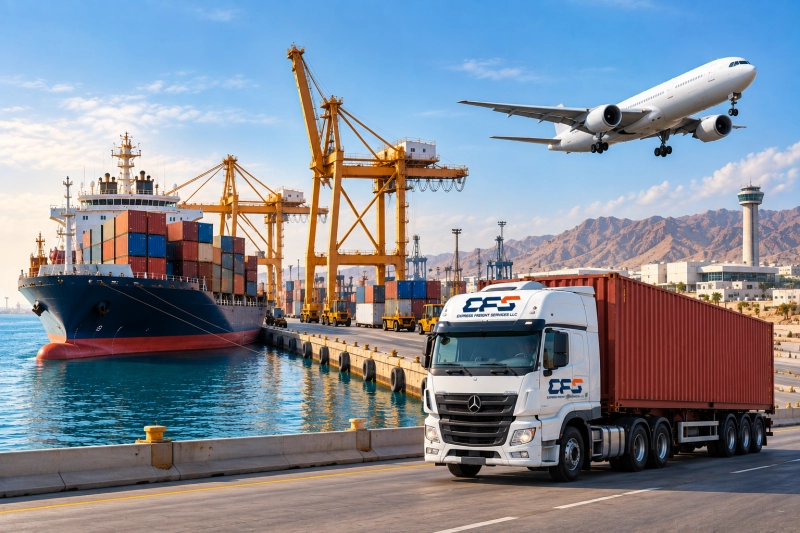
Your transport mode decides a big part of your budget. Sea freight is usually the most cost-friendly option for heavier or non-urgent cargo. Air freight is fast but expensive, and road or rail fall somewhere in the middle depending on distance.
The trick is choosing based on what your shipment really needs. If time isn’t critical, sea freight saves you the most. If your shipment is urgent or fragile, air might make sense even if it costs more. Matching your cargo to the right mode prevents you from paying for speed or capacity you don’t actually need.
Improve Forecasting and Shipment Frequency
Unpredictable shipping leads to bad spending. When you don’t know what’s coming in or going out, you end up booking last-minute space or sending multiple small shipments in a rush. Both habits cost more.
With clearer forecasting, you can plan shipments better combine a few orders, spread them out or build a more regular schedule. Carriers and forwarders often offer better pricing for consistent shipments because it helps them organise capacity. When your shipping becomes predictable, your costs usually drop.
Why Working with Express Freight Services Helps Lower Freight Costs
Partnering with Express Freight Services takes a lot of the guessing out of freight spending. They’ve dealt with enough routes, weird schedules and shifting price trends to know exactly where you’ll save money and where you’ll unknowingly burn through your budget. Instead of you scrambling for space or giving in to whatever overpriced rate shows up, you’ve got someone who actually knows how to move through the system without tripping over it.
Since they handle a ton of shipments for different clients, they’ve got the leverage most individual businesses simply don’t. That means better rates, more consistent options and fewer surprises. They’re also the kind of team that fixes things before they become problems—adjusting routes, consolidating loads, tightening up paperwork so you’re not stuck dealing with delays you never saw coming.
The aim isn’t just to shove your cargo from point A to point B. It’s to do it in a way that doesn’t wreck your timeline or your budget. With Express Freight Services handling the behind-the-scenes chaos, you skip the random fees, the unexpected hiccups and all those little disruptions that usually make freight bills creep higher than they should.
Cutting down freight forwarding costs isn’t really about hunting for the absolute cheapest carrier or lowering your standards. It’s more about actually understanding how the whole thing works and making a few smarter choices that stop money from leaking out in silly ways. When you plan things a bit earlier, pack your goods properly, choose the transport mode that actually fits the shipment and avoid those avoidable delays, the savings sort of happen on their own. It’s not dramatic, but those tiny changes stack up fast, especially if you’re shipping often.
Having a strong partner makes everything smoother. Express Freight Services helps businesses navigate rates, paperwork and routes with a lot less stress and far more accuracy. Their network and experience keep shipments moving efficiently so your freight budget doesn’t spiral out of control. If your goal is to ship smarter without overspending, working with Express Freight Services is a solid step forward.
View More Blogs


India to GCC Shipping Through Sohar Port: A Guide for Businesses
India to GCC shipping has matured into one of the most dependable trade corridors in the Indian Ocea...
Land, Sea and Air Transport in Duqm: A Complete Guide for Businesses
Duqm’s transport network has grown into one of Oman’s most strategically important logistics cor...
How Much Does It Cost for Air Cargo Service in Bidiyah: A Complete Guide by Express Freight Services LLC
Air cargo is the backbone of fast international trade, but for businesses in Bidiyah, the cost quest...