

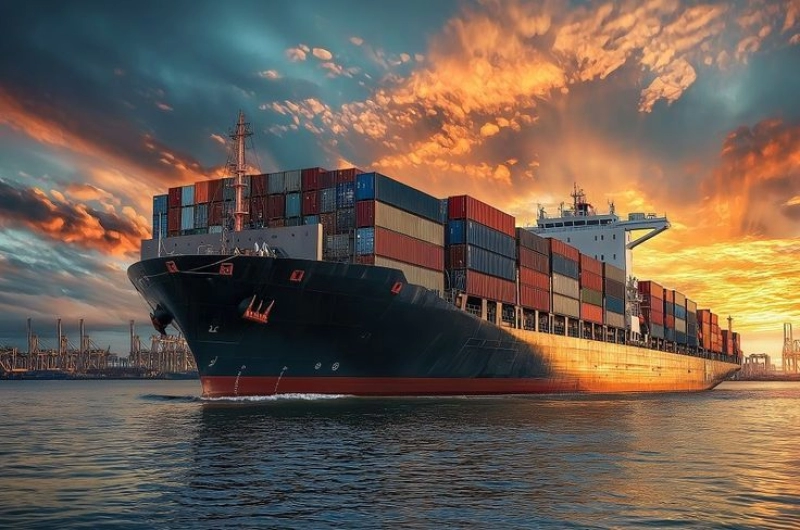
Freight forwarding helps businesses move goods from one country to another. At Express Freight Services, this process includes managing shipping, documents, and customs clearance in one coordinated system. This guide explains how freight forwarding works, when you need it, and why it matters for your business.
What is freight forwarding?
Freight forwarding is a logistics service which arranges the transport of goods through air, sea or land. It is used for handling shipping, documentation, and delivery in a smooth way.
A freight forwarder acts as a middle partner who connects shippers with carriers, which helps reduce delays and errors.
How does freight forwarding work?
Here’s how the process works step by step:
- Booking shipment – You confirm cargo details
- Pickup and packaging – Goods are collected and packed
- Documentation – Invoice, packing list, and bill of lading are prepared
- Customs clearance – Duties are checked and approved
- Transportation – Goods are shipped to destination
- Final delivery – Cargo reaches the customer
This process is designed for safe and timely delivery, which helps businesses avoid risks.
What documents are required for freight forwarding?
These documents are required for customs and shipping approval:
- Commercial invoice
- Packing list
- Bill of lading
- HS code
Delays can happen when any document is missing or incorrect, which can increase cost and time.
When should you use freight forwarding?
You should use freight forwarding when you are shipping goods internationally or handling bulk cargo.
It is useful:
- When you don’t know shipping regulations
- When you want to save time
- When you need expert handling
Freight forwarders help when logistics becomes complex, which makes the process easier.
What are the benefits of freight forwarding?
Freight forwarding is useful for improving delivery efficiency and reducing risks.
Key benefits:
- Saves time and effort
- Reduces shipping errors
- Ensures proper documentation
- Handles customs smoothly
These benefits matter when businesses want reliable and fast shipping, which improves customer satisfaction.
What affects freight forwarding cost?
Costs depend on many factors which influence shipping price:
- Cargo weight and size
- Shipping method (air or sea)
- Distance
- Customs duties
Prices increase when fuel cost or demand rises, which impacts total logistics budget.
Common mistakes to avoid
Many businesses face issues when they ignore small details, which leads to delays.
Avoid these:
- Incorrect documents
- Wrong HS codes
- Poor packaging
- Late booking
Understanding how to manage these steps helps avoid losses.
Freight forwarding is a service which simplifies global shipping for businesses. It is used for managing transport, documents, and delivery in one system. Knowing how it works, when to use it, and what affects cost helps you make better logistics decisions.
FAQs
1. What is the role of a freight forwarder?
A freight forwarder is a service provider who manages shipping and documentation.
2. How long does freight forwarding take?
It depends on distance and method, which usually ranges from a few days to weeks.
3. Is freight forwarding expensive?
Costs vary based on cargo and route, which can be optimized with proper planning.
View More Blogs

How Much Does Air Freight to Rustaq Cost? A Guide for importers and exporters
Air freight to Rustaq costs depend on shipment weight, volume, route origin, and urgency, but most i...
Oman Customs Clearance Through Sohar Port: Documents, Duties and Cargo Release
Customs clearance through Sohar Port runs on Oman’s Bayan electronic platform, where importers sub...
LCL Shipping in Seeb in 2026: What Importers Should Know About Costs, Consolidation and Customs
LCL consolidation in Seeb means sharing a container with other importers so you pay only for the spa...