


Importing goods looks straightforward, at least until customs suddenly asks for documents you didn’t even know existed. One missing page, a number typed wrong, or a value that doesn’t match somewhere else is enough to get your shipment stuck at the port and that’s when the surprise charges start piling up. So having the right paperwork ready from the start isn’t just helpful, it’s kind of non-negotiable.
Customs clearance is basically a big verification checkpoint. They want to know what you’re bringing in, who it belongs to, how much it’s worth and whether it follows all their rules. When your documents match and make sense, everything moves. When they don’t, things slow down fast. This guide walks through the key documents you need for import customs clearance so you can avoid those frustrating delays and keep your cargo moving without unnecessary stress.
Why Proper Documentation Matters in Customs Clearance
Customs runs on paperwork almost painfully so. Every form you submit is cross-checked to confirm what the goods are, how they’re classified and whether they meet requirements. When everything is accurate, the clearance team doesn’t dig as deep or ask extra questions. But when something’s missing or unclear, they investigate, and suddenly you’re stuck.
Even tiny mistakes can lead to hold-ups, extra inspections or fines. What looks like a minor error can snowball into demurrage or storage fees before you even realise what went wrong. Good documentation isn’t just about following rules it’s about getting your cargo released on time instead of letting it sit around burning money.
Commercial Invoice
The commercial invoice is basically the backbone of the whole import process. It tells customs what you bought, who you bought it from, how much you paid and what the shipment is actually worth. Customs uses it to calculate duties, so even small mistakes can cause problems.
A clean, detailed invoice keeps things smoother. It should list buyer and seller details, product descriptions, quantities, unit prices, total values, payment terms everything. If something is on the invoice, it should match the shipment. When these details line up, customs doesn’t need to poke around, and you avoid hold-ups.
Packing List
Think of the packing list as the physical breakdown of your shipment. While the invoice handles the financial side, the packing list spells out what’s inside how many boxes, weights, dimensions, how items are packed.
Customs checks it to make sure the shipment matches what you declared. If it doesn’t, you’ll hear about it. A clear packing list avoids confusion and makes inspections easier for handlers. When it lines up with the invoice, clearance speeds up noticeably.
Bill of Lading or Airway Bill
This one proves your goods are actually being shipped. Issued by the carrier, it doubles as a receipt and a transport agreement. Customs uses it to confirm ownership, movement and origin of the cargo.
It includes details like shipper and consignee information, container numbers, description of goods and port details. If something doesn’t match your invoice or packing list, customs will probably pause things. A clean Bill of Lading or Airway Bill keeps your shipment moving without extra questioning.
Importer Exporter Code (IEC) or Business Registration
Before you can import anything, customs needs to know you’re legally allowed to. That’s where your IEC or business registration comes in. It proves you’re a valid importer and the cargo belongs to a registered entity.
If this isn’t in place, nothing moves even if every other document is perfect. Customs checks this early, so having it ready saves avoidable delays. Once they verify your credentials, clearance can continue.
Certificate of Origin
This document tells customs where your goods were manufactured. It matters because duty rates and benefits vary based on origin. Some countries have reduced duty agreements; others don’t.
If the certificate is missing or wrong, you might pay more than necessary or end up waiting while customs verifies the origin. Handling this properly not only helps clearance but also stops you from overspending on duties.
Insurance Certificate
This document shows your cargo is insured while traveling. Customs may refer to it when checking value or when duties are calculated based on CIF value (Cost, Insurance, Freight).
If customs wants proof of valuation, the insurance certificate supports what’s on your invoice. It’s useful for clearance and gives peace of mind knowing your shipment is protected.
Purchase Order or Sales Contract
Sometimes customs wants extra proof that the transaction is legitimate. A purchase order or contract shows what was agreed between buyer and seller price, terms, products.
Not every shipment needs this, but having it ready helps if questions come up. It backs up your invoice and confirms the deal is real.
HS Code Classification Documents
HS codes decide everything duty rates, permits, inspection levels. If you assign the wrong code, everything else can unravel. You might get over-charged, your shipment may be flagged, or you’ll face penalties.
Proper HS code documents tell customs you’ve classified goods correctly. When the codes are right from the beginning, clearance becomes more predictable and less painful.
Customs Declaration Form
This is the official document telling customs exactly what you’re importing values, origin, HS codes, all of it. Customs uses it to assess taxes and ensure compliance.
Everything here must align with your other documents. If it doesn’t, clearance pauses while they ask questions. A clean declaration keeps the flow moving.
Additional Certificates Based on Goods
Some items come with extra paperwork. Food, plants, chemicals, machinery, medical goods they might need fumigation reports, quality approvals, compliance certificates or health-safety documents.
If these are missing, your shipment will almost certainly stall or get refused. Having the right certificates shows the cargo meets standards and saves you from last-minute chaos.
Why Working With Express Freight Services Simplifies Documentation
Import paperwork can get chaotic really fast, especially when every small detail needs to match. That’s where Express Freight Services makes life easier. Instead of juggling invoices, declarations and certificates yourself, they handle the flow end-to-end.
They know what customs checks, what raises red flags, and how to prepare documents so clearance doesn’t become a headache. When the paperwork is right from the start, delays and surprise charges are far less likely. With Express Freight Services handling it, the whole process feels smoother and less stressful.
Getting documents right is one of the simplest ways to avoid delays and extra costs. When every form lines up, customs moves your shipment through without friction. But one bad detail can slow everything down and the extra charges add up fast.
Working with people who actually understand the paperwork makes a big difference. Connect with Express Freight Services and bring clarity to your import process. With their support, customs clearance becomes far more predictable and a lot less stressful.
View More Blogs
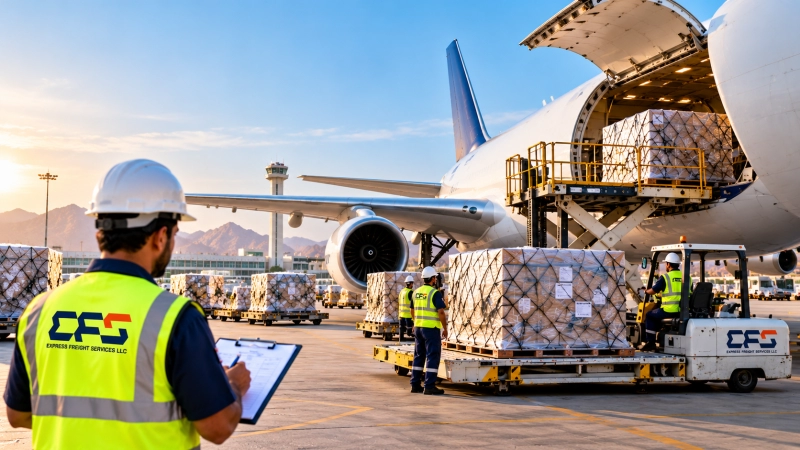

How Much Does Air Freight to Rustaq Cost? A Guide for importers and exporters
Air freight to Rustaq costs depend on shipment weight, volume, route origin, and urgency, but most i...
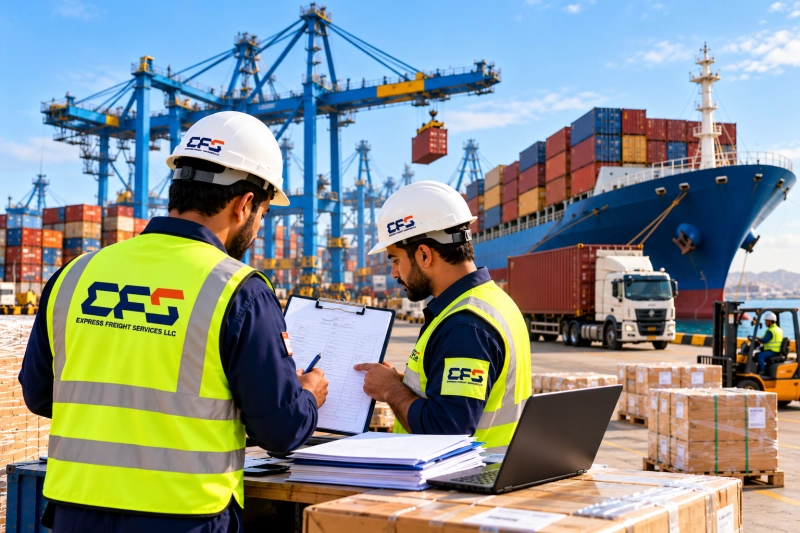
Oman Customs Clearance Through Sohar Port: Documents, Duties and Cargo Release
Customs clearance through Sohar Port runs on Oman’s Bayan electronic platform, where importers sub...

LCL Shipping in Seeb in 2026: What Importers Should Know About Costs, Consolidation and Customs
LCL consolidation in Seeb means sharing a container with other importers so you pay only for the spa...