

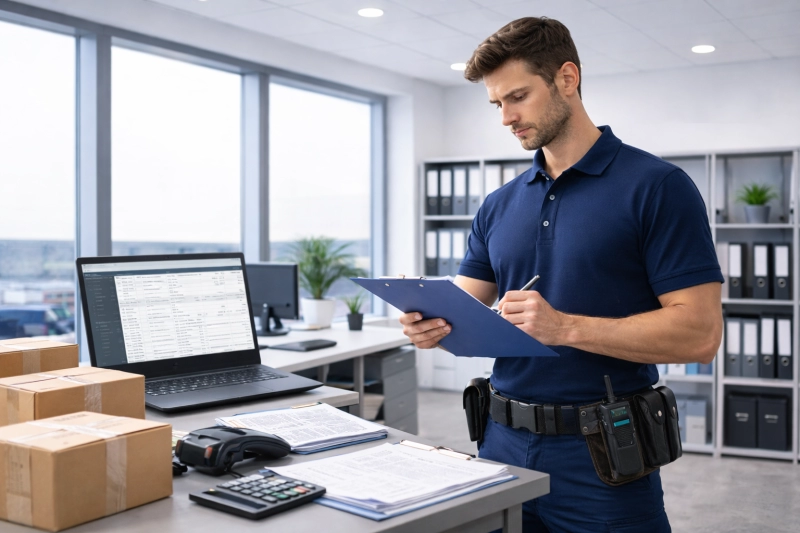
Sea freight customs clearance refers to the process of preparing and submitting required documents so goods can legally enter or leave a country through seaports. Businesses involved in international trade must follow specific customs regulations to ensure their cargo moves through ports without delays or penalties.
For companies shipping goods internationally, understanding these regulations is essential. Professional freight forwarding services often manage the process by handling documentation, compliance checks, and coordination with customs authorities.
This article explains the key regulations businesses should know, how customs clearance works in sea freight shipping, and why working with experienced logistics providers helps prevent costly mistakes.
Understanding Sea Freight Customs Clearance
Sea freight customs clearance is a mandatory procedure for goods entering or leaving a country through maritime ports. Customs authorities review shipment documents, calculate duties and taxes, and inspect cargo when necessary.
The goal is to ensure that shipments comply with trade regulations, safety standards, and tax requirements.
Freight forwarding services assist businesses by preparing documents, coordinating inspections, and communicating with customs authorities to ensure cargo clearance.
Why Customs Regulations Matter in Sea Freight Shipping
Every country has its own customs rules governing imports and exports. These regulations determine which goods can enter the country, how they should be declared, and what duties must be paid.
Failure to follow these rules can result in delays, penalties, or cargo being held at the port.
Businesses involved in international trade rely on freight forwarding services to navigate these regulations and maintain smooth shipping operations.
Key Sea Freight Customs Clearance Regulations Businesses Should Know
Accurate Cargo Documentation
One of the most important requirements in sea freight shipping is proper documentation. Customs authorities require several documents before approving cargo clearance.
Common documents include
- Commercial invoice
- Packing list
- Bill of lading
- Certificate of origin
- Import or export permits
Accurate documentation ensures that customs officials can verify shipment details quickly.
Freight forwarding services typically review these documents before submission to reduce errors.
Proper Product Classification
Goods must be classified correctly according to international tariff systems. Product classification determines the duties and taxes applied to a shipment.
Incorrect classification can lead to fines or delays.
Logistics professionals often assist businesses in identifying the correct classification codes to ensure compliance.
Payment of Duties and Taxes
Customs authorities calculate duties based on product value, classification, and origin.
Businesses must pay these charges before cargo can be released from the port.
Freight forwarding services help calculate duties accurately and manage payment procedures.
Customs Inspection Requirements
Customs officials may inspect cargo to verify that shipment details match the declared documents.
Inspections can include document checks, physical cargo examination, or scanning procedures.
Proper preparation and accurate documentation help minimize inspection delays.
Compliance With Import Restrictions
Certain goods may require special permits or certifications before entering a country.
For example, pharmaceuticals, electronics, and food products often require regulatory approval.
Freight forwarding services help businesses identify these requirements before shipping cargo.
Benefits of Understanding Sea Freight Customs Regulations
Businesses that understand customs regulations gain several operational advantages.
Reduced Shipping Delays
Proper compliance ensures shipments move through customs quickly without unnecessary holds.
Improved Cost Management
Understanding duty structures and documentation requirements helps businesses avoid unexpected charges.
Better Supply Chain Planning
Businesses that follow customs procedures carefully can plan shipments more accurately.
Freight forwarding services support these benefits by managing logistics compliance.
Pros and Cons of Sea Freight Customs Clearance Procedures
Pros
- Ensures legal compliance for international shipments
- Protects countries from prohibited goods
- Provides accurate tax and duty collection
- Improves transparency in global trade
Cons
- Complex documentation requirements
- Possible delays due to inspections
- Regulations may vary between countries
Despite these challenges, customs procedures are necessary for maintaining secure international trade systems.
Examples of Sea Freight Customs Clearance in Business Operations
Importing Consumer Electronics
A company importing electronics through a seaport must submit invoices, packing lists, and certification documents before cargo clearance.
Freight forwarding services manage these documents and coordinate with customs authorities.
Exporting Industrial Equipment
Manufacturers exporting machinery must follow export documentation procedures and customs declarations.
Logistics providers help ensure that these requirements are met before cargo leaves the port.
Retail Supply Chain Shipments
Retail companies importing large product volumes depend on professional freight forwarding services to manage customs clearance and port coordination.
These examples show how customs regulations influence everyday international shipping operations.
How Freight Forwarding Services Simplify Customs Clearance
Freight forwarding services play an important role in international logistics. They act as intermediaries between businesses, shipping carriers, and customs authorities.
Their responsibilities typically include
- Preparing shipment documentation
- Ensuring compliance with customs regulations
- Coordinating cargo inspections
- Managing duty and tax payments
- Tracking cargo movement through ports
By handling these tasks, freight forwarding services allow businesses to focus on their core operations.
Why Businesses Choose Express Freight Services
Express Freight Services provides reliable logistics support for businesses involved in international shipping. The company offers professional freight forwarding services designed to manage cargo documentation, customs clearance, and global transportation.
With experience in sea freight logistics and regulatory compliance, Express Freight Services helps businesses move goods through ports efficiently.
Their team works closely with customs authorities and shipping partners to ensure shipments are processed quickly and accurately.
Conclusion
Sea freight customs clearance regulations play a crucial role in international trade. Businesses shipping goods across borders must comply with documentation requirements, product classifications, and duty payment procedures.
Understanding these regulations helps companies avoid shipping delays and maintain efficient supply chain operations.
Working with experienced freight forwarding services simplifies the customs process by ensuring compliance and managing logistics coordination.
For businesses involved in global trade, reliable logistics support can make a significant difference in shipping efficiency.
If your business requires reliable logistics support for international shipments, Express Freight Services offers professional freight forwarding services to manage sea freight customs clearance efficiently.
Contact Express Freight Services today to ensure your cargo moves smoothly through customs and reaches its destination without delays.
View More Blogs

Best Freight Solution for Small Businesses in Barka Industrial Area
Running a small business in Barka Industrial Area can feel like juggling too many balls at once. Bud...
Why Choose LCL Consolidation for Small Cargo Shipments in Barka?
LCL Consolidation in Barka is a useful option when you have cargo that is too small to fill a contai...
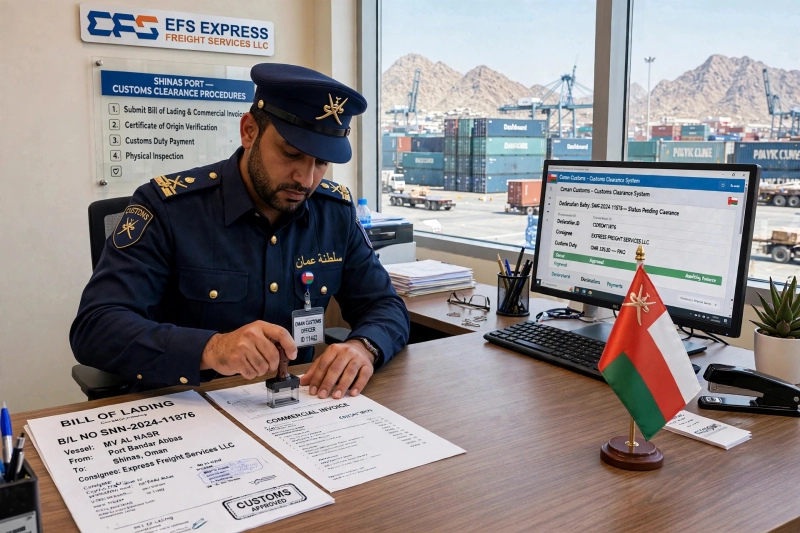
Customs Clearance Services in Shinas: Simplifying Import and Export Procedures
Honestly? Dealing with Customs clearance in Shinas Port can test your patience. I've seen businesses...