


Importing goods in smaller quantities can be challenging when full container loads are not cost effective. Many importers turn to LCL consolidation services to reduce shipping costs and maintain flexibility. However, before choosing LCL shipping, importers need to understand how it works, what to expect, and how it impacts transit time, documentation, and customs clearance.
This guide explains the key points importers should know before using LCL consolidation services.
What Is LCL and How Does It Work?
LCL stands for Less than Container Load. In LCL consolidation services, shipments from multiple importers are combined into one container headed to the same destination. Each importer pays only for the space their cargo occupies.
Freight forwarders manage cargo consolidation, container loading, documentation, and coordination with customs authorities.
When Is LCL the Right Choice for Importers?
Small Shipment Volumes
LCL is ideal when cargo volume is too small to justify a full container.
Regular Import Requirements
Importers with frequent shipments benefit from the flexibility of shipping smaller quantities more often.
Cost Control Needs
LCL consolidation services allow importers to manage freight costs without committing to full container rates.
Key Cost Factors in LCL Shipping
Freight Charges
LCL freight costs are calculated based on volume or weight, whichever is higher.
Handling and Documentation Fees
Since multiple shipments are involved, LCL may include additional handling and documentation charges at origin and destination.
Customs and Port Charges
Customs clearance fees apply individually to each shipment, even when consolidated in one container.
Documentation Requirements for LCL Imports
Accuracy Is Critical
Incorrect or incomplete documents can delay the clearance of the entire container.
Common Documents Required
- Commercial invoice
- Packing list
- Bill of lading or house bill
- Import permits where applicable
Experienced freight forwarders ensure documentation aligns with LCL consolidation requirements.
Role of Customs Clearance in LCL Shipments
Each LCL shipment is cleared separately, even though cargo arrives in a shared container. Any issue with one shipment can impact delivery timelines.
Professional logistics partners coordinate documentation and work with customs authorities to minimize delays.
Benefits of Using LCL Consolidation Services
Lower Shipping Costs
Importers pay only for the space used, avoiding unused container costs.
Greater Shipping Flexibility
LCL allows importers to ship goods as needed rather than waiting to fill a container.
Reduced Inventory Holding Costs
Smaller, frequent shipments help importers manage inventory more efficiently.
Pros and Cons of LCL Shipping
Pros
- Cost effective for small shipments
- Ideal for new importers and startups
- No need to wait for full container loads
- Access to global trade opportunities
Cons
- Longer transit times compared to full container loads
- Additional handling due to consolidation
- Risk of delays if documentation issues arise
Understanding these factors helps importers make informed decisions.
Real World Examples of LCL Usage
Startup Importers
New businesses importing trial quantities use LCL consolidation services to test products without high shipping costs.
Retail Importers
Retailers import seasonal goods in smaller batches to manage demand and storage space.
Manufacturers Sourcing Components
Manufacturers import raw materials in smaller volumes to maintain steady production.
Why Choose Express Freight Services for LCL Imports
Express Freight Services offers reliable LCL consolidation services designed to support importers with cost control, documentation accuracy, and efficient cargo handling. Our team ensures smooth coordination from origin to destination.
Final Thoughts
LCL consolidation services provide a flexible and cost effective solution for importers shipping smaller volumes. By understanding costs, documentation requirements, and potential risks, importers can use LCL shipping to streamline operations and expand their sourcing options.
Planning your next LCL shipment and need expert guidance?
Contact Express Freight Services today to learn how our LCL consolidation services can support your import needs efficiently and reliably.
View More Blogs

Best Freight Solution for Small Businesses in Barka Industrial Area
Running a small business in Barka Industrial Area can feel like juggling too many balls at once. Bud...
Why Choose LCL Consolidation for Small Cargo Shipments in Barka?
LCL Consolidation in Barka is a useful option when you have cargo that is too small to fill a contai...
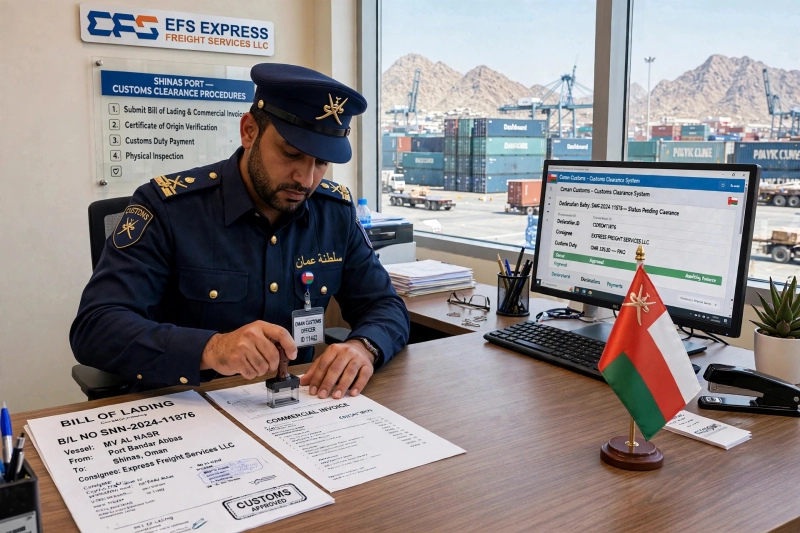
Customs Clearance Services in Shinas: Simplifying Import and Export Procedures
Honestly? Dealing with Customs clearance in Shinas Port can test your patience. I've seen businesses...