

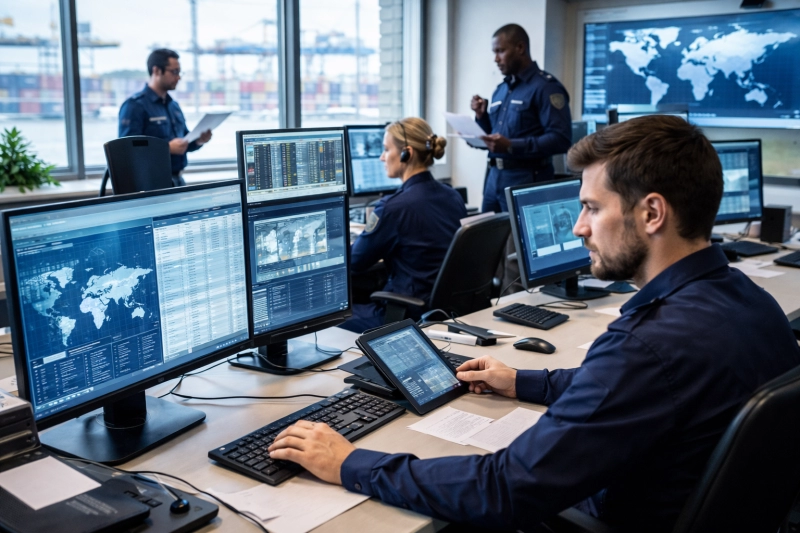
How Digital Technology Is Transforming Modern Customs Clearance
Customs clearance is the official process of getting goods approved by government authorities for import or export. Today, digital technology is reshaping customs clearance by replacing manual paperwork with automated systems, real-time tracking, and electronic documentation, making international shipping faster, safer, and more transparent.
For businesses working with customs clearance companies, this transformation reduces delays, improves compliance, and lowers operational costs.
Why Traditional Customs Clearance Needs Change
For decades, customs clearance depended heavily on manual processes. Paper documents, physical inspections, and slow communication often caused bottlenecks.
Common issues included
- Lengthy processing times
- Documentation errors
- Limited shipment visibility
- High administrative costs
- Risk of penalties due to non-compliance
Digital systems now address these challenges by streamlining customs clearance and documentation services from start to finish.
Key Digital Technologies Transforming Customs Clearance
Electronic Documentation Systems
Paper-based filings are being replaced by electronic submissions. Businesses can now upload invoices, packing lists, and certificates online.
Benefits include
- Faster document processing
- Reduced human error
- Secure record keeping
- Easier audits and compliance checks
Many customs clearance companies use integrated platforms that automatically validate documents before submission.
Automated Risk Assessment
Modern customs authorities use AI-driven tools to assess shipment risk levels. Low-risk shipments are cleared quickly, while high-risk cargo is flagged for inspection.
Pros
- Faster clearance for compliant shipments
- Improved border security
- Reduced inspection congestion
Cons
- Incorrect data can trigger unnecessary delays
- Requires accurate documentation
Real Time Shipment Tracking
Digital tracking systems allow importers and exporters to monitor shipment status throughout the customs clearance process.
This visibility helps businesses
- Plan inventory more effectively
- Coordinate deliveries
- Respond quickly to issues
- Improve customer communication
Integrated Trade Management Platforms
Many logistics providers now offer centralized systems that manage the entire customs clearance workflow. These platforms handle
- Document preparation
- Duty calculations
- Compliance checks
- Communication with authorities
Such systems enhance the efficiency of customs clearance and documentation services while reducing manual workload.
How Technology Is Changing Custom Clearance Agent Responsibilities
Digital tools are redefining customs clearance agent responsibilities. Instead of focusing only on paperwork, agents now act as compliance advisors and technology facilitators.
Modern responsibilities include
- Verifying digital documents for accuracy
- Ensuring compliance with import export regulations
- Managing electronic submissions
- Monitoring shipment status
- Advising on duty optimization strategies
This shift makes professional expertise more valuable than ever.
Benefits of Digital Customs Clearance for Businesses
Faster Processing
Automated systems significantly reduce clearance time, helping goods move quickly across borders.
Improved Compliance
Built-in validation tools reduce the risk of errors that could lead to fines or shipment holds.
Cost Efficiency
Lower administrative work and fewer delays translate into reduced logistics costs.
Greater Transparency
Real-time data provides full visibility into shipment progress and customs status.
Scalability
Digital solutions support growing trade volumes without increasing manual workload.
Potential Challenges of Digital Transformation
While technology offers major advantages, it also presents some challenges.
- Initial implementation costs for systems and training
- Dependence on accurate data input
- Cybersecurity risks
- Need for continuous updates as regulations change
However, for most businesses, the long-term benefits outweigh these concerns.
Real World Examples of Digital Customs Clearance in Action
Example 1: E-Commerce Importer
An online retailer importing products regularly can use automated documentation tools to clear shipments quickly, preventing stock shortages.
Example 2: Manufacturing Company
A manufacturer sourcing components globally benefits from real-time tracking and duty calculation tools to manage production schedules efficiently.
Example 3: Perishable Goods Exporter
For time-sensitive cargo, rapid digital clearance reduces spoilage risk and ensures products reach markets fresh.
Role of Professional Customs Clearance Companies in the Digital Era
Even with advanced technology, expert support remains essential. Reliable customs clearance companies combine digital tools with regulatory expertise to deliver seamless service.
They provide
- Accurate classification and valuation
- Compliance with changing regulations
- End-to-end customs clearance and documentation services
- Problem resolution when shipments are flagged
- Strategic advice to optimize duties and timelines
Partnering with experienced providers ensures technology is used effectively.
Future of Customs Clearance
The future points toward fully digital borders where data flows faster than cargo. Emerging developments may include
- Blockchain-based trade documentation
- Predictive analytics for compliance risks
- Fully automated clearance for trusted traders
- Paperless international shipping ecosystems
Businesses that adopt digital customs clearance early will gain a competitive advantage in global markets.
Conclusion
Digital technology is transforming customs clearance from a slow, paper-driven process into a fast, transparent, and highly efficient system. By automating documentation, improving compliance, and providing real-time visibility, modern solutions help businesses move goods across borders with greater confidence.
Understanding evolving customs clearance agent responsibilities and partnering with reliable customs clearance companies ensures organizations can fully benefit from these innovations while minimizing risks.
If your business relies on international shipping, choosing the right partner can make all the difference. Express Freight Services offers professional customs clearance and documentation services supported by modern digital tools and expert guidance.
View More Blogs

How Much Does Air Freight to Rustaq Cost? A Guide for importers and exporters
Air freight to Rustaq costs depend on shipment weight, volume, route origin, and urgency, but most i...
Oman Customs Clearance Through Sohar Port: Documents, Duties and Cargo Release
Customs clearance through Sohar Port runs on Oman’s Bayan electronic platform, where importers sub...
LCL Shipping in Seeb in 2026: What Importers Should Know About Costs, Consolidation and Customs
LCL consolidation in Seeb means sharing a container with other importers so you pay only for the spa...