


If you’ve been involved in shipping between Dubai and Oman lately, chances are you’ve already heard people talking about the Dubai-Oman Green Corridor. It’s everywhere in logistics conversations right now. And honestly, not without reason.
Earlier this year, when pressure around the Strait of Hormuz started disrupting normal cargo flow, businesses suddenly needed backup plans. Fast. That’s basically where the Green Corridor stepped in. Instead of cargo getting stuck waiting around for uncertain routing updates, shipments started moving through Oman using bonded transport links into Dubai.
At Express Freight Services LLC, we’ve noticed more businesses asking about flexible routing options over the last few months. Not necessarily because their old system completely failed. More because companies don’t want to depend on only one route anymore.
What is the Dubai-Oman Green Corridor?
The Dubai-Oman Green Corridor is basically a faster customs and transport framework connecting Oman and Dubai through bonded cargo movement.
Here’s the simple version.
Cargo that would normally enter through Jebel Ali or Dubai airports can now move through Oman first. Shipments arrive at ports like Sohar or Salalah then continue by bonded trucking through the Hatta border into the UAE.
It works the other way too. Businesses in Dubai can move cargo into Oman first and export internationally from there.
The whole point is keeping cargo moving when traditional routes become slower or unpredictable.
Why the Green Corridor Became Important So Quickly
The Strait of Hormuz disruptions earlier this year really changed logistics planning across the Gulf. Shipping schedules became messy pretty fast honestly.
Some carriers reduced Gulf port calls. Insurance costs increased. Air cargo capacity tightened for a while too. Businesses suddenly realized how fragile supply chains can become when one major route faces pressure.
That’s where Oman’s ports became important.
Ports like Sohar and Salalah sit outside the Strait congestion zone which made them useful alternatives for regional cargo movement.
Now even though shipping conditions are improving gradually, plenty of businesses are still sticking with the corridor setup because it gives them more flexibility long term.
How the Green Corridor Actually Works
The process sounds complicated at first. In practice it’s fairly structured.
1. Sea Cargo Movement
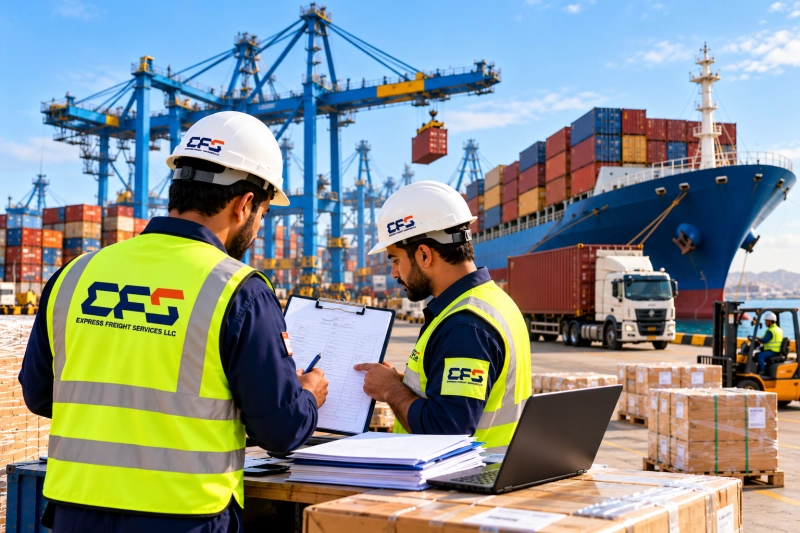
Containers arrive at Oman’s ports like Sohar or Salalah. Customs processing happens there first. After clearance, shipments move by sealed bonded trucks through Al Wajajah and Hatta toward Dubai.
Once UAE customs verifies the seal integrity, the cargo continues into Dubai free zones or warehouses.
Businesses handling rerouted cargo are also increasingly looking for Freight Forwarding Services in Oman because regional coordination has become a much bigger part of logistics planning now.
2. Air Cargo Movement
Air freight follows a similar concept.
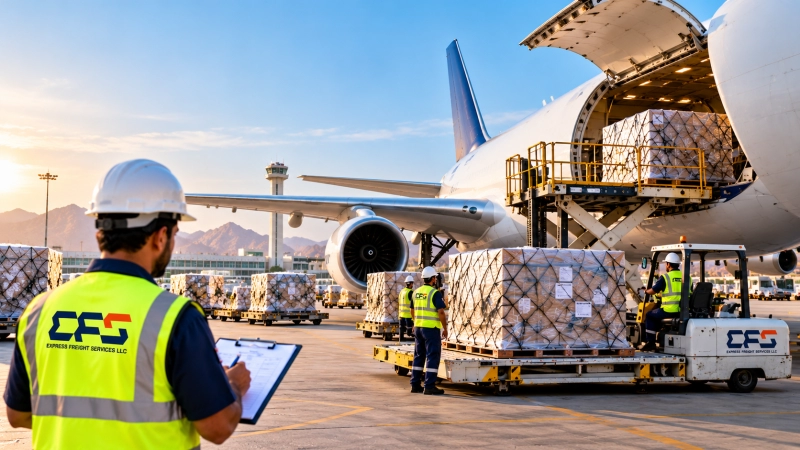
Some cargo that previously landed directly in Dubai now arrives through Muscat or Salalah airports instead. From there, bonded feeder trucks move shipments into Dubai under customs supervision.
It sounds like extra work maybe. But during high congestion periods, this routing actually helps avoid bigger delays.
3. Reverse Cargo Flow from Dubai
This part is interesting too.
Businesses in Dubai can now move export cargo into Oman first before shipping internationally through Oman’s ports. That’s become useful for companies handling re exports or trying to access different shipping schedules.
A lot of exporters using Freight Forwarding Services in Dubai are now exploring these options more seriously than before.
Who Benefits Most from the Dubai-Oman Green Corridor?
Not every shipment needs the Green Corridor. But for certain businesses, it solves real problems.
1. Importers
Importers benefit mainly from flexibility and reduced waiting time.
Instead of cargo sitting offshore waiting for routing clearance, shipments can move through Oman and continue inland faster.
Smaller businesses especially are finding this useful because delays affect cash flow pretty quickly when inventory is limited.
2. Exporters
Exporters gain another outbound route option.
Salalah in particular has strong shipping connectivity toward East Africa and parts of Asia. So businesses shipping internationally sometimes find Oman routing more practical depending on schedules.
3. Freight Forwarders
Honestly, freight forwarders probably had to adapt the fastest.
Cross border trucking, bonded coordination, dual customs handling, all of this suddenly became much more important.
Companies offering integrated solutions across both countries are in a better position now because businesses prefer dealing with one coordinated logistics team instead of multiple disconnected providers.
Why LCL Shipping Fits Well with the Green Corridor
This is probably one of the biggest shifts happening quietly.
Businesses are moving away from huge inventory stockpiles sitting in warehouses for months. More companies now prefer smaller and more frequent shipments instead.
That naturally increases demand for LCL Consolidation Services in Oman because businesses want flexible cargo movement without paying for full containers every time.
Shared container shipping through Oman also gives businesses alternative routing flexibility when congestion affects certain ports.
On the Dubai side too, LCL Consolidation Services in Dubai are becoming more connected with regional feeder systems because companies are splitting shipments across multiple logistics channels instead of relying on one fixed route.
Documentation Still Matters More Than People Think
Even with smarter systems and faster customs coordination, paperwork can still ruin a shipment surprisingly fast.
A missing HS code or mismatched invoice quantity sounds small until cargo gets held at the border for verification.
Usually businesses need:
- Commercial invoices
- Packing lists
- Bill of lading or airway bill
- Customs declarations
- Certificates of origin
- Proper HS classification
This is why businesses often rely heavily on Customs Clearance Services in Oman for cross border cargo movement. One team managing documentation properly saves a lot of unnecessary stress later.
The same applies on the UAE side too. Coordinating Customs Clearance Services in Dubai together with Oman customs processing reduces delays caused by mismatched paperwork between both countries.
Challenges Businesses Are Still Facing
The Green Corridor definitely helps. But logistics is logistics. Nothing works perfectly all the time.
A few common challenges still show up:
1. Border Congestion During Peak Periods
Some days move smoothly. Other days bonded truck queues become longer especially early in the week.
2. Documentation Mistakes
This one never really disappears. Incorrect cargo descriptions still create delays.
3. Coordination Across Multiple Parties
Sea carriers, customs teams, bonded operators, freight forwarders, warehouses, everybody has to stay aligned.
That’s why businesses increasingly prefer logistics providers who already have operations across both Oman and Dubai instead of coordinating everything separately themselves.
How Express Freight Services LLC Supports Green Corridor Shipments
At Express Freight Services LLC, the Green Corridor setup fits naturally into how we already operate because our teams work across both Oman and Dubai logistics networks.
We help businesses with:
- Cargo pickup and consolidation
- Bonded trucking coordination
- Cross border customs handling
- Regional LCL cargo movement
- Air freight feeder coordination
- Export documentation support
For businesses already shipping regularly between UAE and Oman, the transition into Green Corridor routing is usually smoother than expected.
Not effortless maybe. But definitely manageable with proper coordination.
Practical Tips for Businesses Using the Green Corridor
A few things genuinely help avoid headaches.
1. Book Earlier Than Usual
Bonded trucking slots fill quickly sometimes especially during busy cargo periods.
2. Keep Documentation Consistent
Even small mismatches between invoices and shipment details can create delays.
3. Avoid Last Minute Route Changes
Changing consignee details mid transit complicates bonded customs processing more than people expect.
4. Build Some Buffer Time
The system moves faster than older routing methods in many cases. Still, border verification can sometimes add extra hours depending on cargo flow volume.
Small planning adjustments honestly make a big difference.
Will the Green Corridor Continue Long Term?
Most likely in some form, yes.
Even if regional tensions calm down fully, businesses have now seen the value of having multiple trade route options instead of depending heavily on one corridor.
The logistics industry tends to keep systems that improve flexibility and supply chain resilience.
And right now, the Dubai-Oman Green Corridor is doing exactly that.
Frequently Asked Questions
1. What is the Dubai-Oman Green Corridor?
It is a customs supported cargo movement system connecting Oman and Dubai through bonded trucking and faster logistics coordination.
2. Which Oman ports are mainly used?
Sohar and Salalah are the major ports being used for Green Corridor cargo movement.
3. Can cargo move both directions?
Yes. Cargo can move from Oman into Dubai or from Dubai through Oman for international export.
4. Why are businesses using Oman routes more now?
Businesses want alternative logistics options that reduce dependency on congested or disrupted shipping routes.
5. Does the Green Corridor reduce customs delays?
It helps improve customs coordination and shipment flow though documentation accuracy still remains extremely important.
View More Blogs

How Much Does Air Freight to Rustaq Cost? A Guide for importers and exporters
Air freight to Rustaq costs depend on shipment weight, volume, route origin, and urgency, but most i...
Oman Customs Clearance Through Sohar Port: Documents, Duties and Cargo Release
Customs clearance through Sohar Port runs on Oman’s Bayan electronic platform, where importers sub...

LCL Shipping in Seeb in 2026: What Importers Should Know About Costs, Consolidation and Customs
LCL consolidation in Seeb means sharing a container with other importers so you pay only for the spa...