

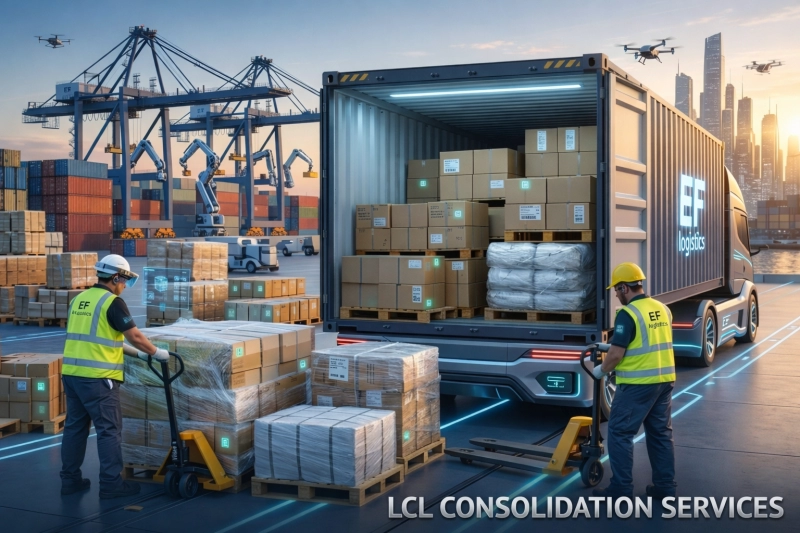
Sustainability is becoming a key factor in global logistics decisions. Businesses are no longer focused only on delivery timelines and operational efficiency. They are also evaluating how shipping methods affect the environment.
FCL and LCL shipping play a major role in international trade, and each has a different environmental footprint. Understanding how these options impact sustainability can help businesses make smarter logistics choices.
In 2026, companies using freight forwarding solutions are increasingly adopting greener practices such as optimized routing, cargo consolidation, and reduced emissions strategies. This is where LCL consolidation services are gaining attention for their efficiency and environmental benefits.
Understanding FCL and LCL in Sustainable Shipping
FCL and LCL refer to two primary container shipping methods used in global logistics.
What Is FCL
FCL stands for Full Container Load. A single shipper uses the entire container for transporting goods. This method is typically used for large volume shipments.
What Is LCL
LCL stands for Less than Container Load. Multiple shippers share a single container, making it a flexible option for smaller shipments.
From a sustainability perspective, both options have advantages depending on how efficiently the container space is used.
Environmental Impact of FCL and LCL Shipping
Carbon Emissions and Fuel Efficiency
FCL shipments can be more efficient when the container is fully utilized. However, partially filled containers increase carbon emissions per unit.
LCL shipping, especially through lcl consolidation services, reduces wasted space by combining multiple shipments into one container. This improves overall fuel efficiency.
Resource Utilization
FCL provides dedicated container space, but this may lead to underutilization if cargo volume is low.
LCL ensures better space optimization, reducing unnecessary resource consumption.
Handling and Transportation Impact
LCL shipments involve more handling and consolidation steps, which may slightly increase operational emissions.
FCL shipments involve fewer handling stages, reducing operational complexity.
FCL vs LCL
Benefits of FCL and LCL for Sustainable Logistics
Benefits of FCL
- Efficient for large shipments with minimal handling
- Reduced transit complexity
- Lower emissions when containers are fully utilized
Benefits of LCL
- Maximizes container space usage
- Supports small businesses with lower shipment volumes
- LCL consolidation services reduce overall environmental impact
- Encourages shared logistics infrastructure
Pros and Cons of FCL and LCL in Sustainability
Sustainability Trends in FCL and LCL Shipping in 2026
Rise of LCL Consolidation Services
LCL consolidation services are becoming a preferred option for businesses aiming to reduce environmental impact while maintaining flexibility.
Digital Optimization Tools
Advanced tracking and route optimization systems help reduce fuel consumption and improve efficiency.
Green Logistics Practices
Shipping companies are adopting cleaner fuels, eco-friendly packaging, and efficient warehousing practices.
Increased Focus on ESG Goals
Businesses are aligning shipping strategies with environmental, social, and governance objectives.
Real World Examples of Sustainable Shipping
Example 1: Small Business Exporter
A small exporter in Oman uses LCL consolidation services to share container space, reducing emissions and shipping waste.
Example 2: Manufacturing Company
A large manufacturer opts for FCL shipments with fully loaded containers to maintain efficiency and minimize environmental impact.
Example 3: Retail Supply Chain
A retail company combines FCL and LCL strategies to balance sustainability and operational efficiency.
How to Plan Sustainable and Budget-Friendly FCL and LCL Shipping
Step 1: Assess Shipment Volume
Determine whether your cargo fits a full container or requires shared space.
Step 2: Choose the Right Shipping Method
Use FCL for bulk shipments and LCL for smaller loads to avoid wasted space.
Step 3: Optimize Packaging
Use compact and eco-friendly packaging to maximize space utilization.
Step 4: Use LCL Consolidation Services
Combine shipments to reduce environmental impact and improve efficiency.
Step 5: Work with Experienced Freight Forwarders
Professional freight forwarding services help optimize routes, reduce delays, and improve sustainability outcomes.
Why Businesses in Oman Are Adopting Sustainable Shipping
Companies in Oman are increasingly focusing on eco-friendly logistics to meet global trade standards and customer expectations.
Freight forwarding services in Oman are evolving to support:
- Efficient container utilization
- Reduced emissions
- Smarter logistics planning
- Compliance with international sustainability practices
Partnering with an experienced logistics provider ensures both operational efficiency and environmental responsibility.
Conclusion
FCL and LCL shipping both play important roles in sustainable logistics. The key to reducing environmental impact lies in choosing the right method based on shipment size and efficiency.
In 2026, LCL consolidation services are becoming essential for businesses aiming to optimize both sustainability and logistics performance. By combining smart planning with the right freight forwarding services, companies can build a greener and more efficient supply chain.
Looking for sustainable and efficient freight solutions in Oman. Express Freight Services offers reliable FCL and LCL shipping solutions designed to reduce environmental impact while improving logistics performance.
Our expert team provides tailored LCL consolidation services and end-to-end freight forwarding support to help your business grow responsibly.
Contact Express Freight Services today
FAQ Section
Which is more environmentally friendly FCL or LCL?
LCL is more environmentally friendly for smaller shipments due to shared container usage, while FCL is efficient for full loads.
How do LCL consolidation services support sustainability?
They combine multiple shipments into one container, reducing unused space and lowering overall emissions.
Can businesses combine FCL and LCL shipping?
Yes, many companies use a hybrid approach to balance sustainability and operational efficiency.
Is sustainable shipping more expensive?
Not always. Optimized shipping methods can reduce waste and improve cost efficiency over time.
Why is sustainability important in freight forwarding?
It helps reduce environmental impact, improve brand reputation, and meet global compliance standards.
View More Blogs

How Much Does Air Freight to Rustaq Cost? A Guide for importers and exporters
Air freight to Rustaq costs depend on shipment weight, volume, route origin, and urgency, but most i...
Oman Customs Clearance Through Sohar Port: Documents, Duties and Cargo Release
Customs clearance through Sohar Port runs on Oman’s Bayan electronic platform, where importers sub...
LCL Shipping in Seeb in 2026: What Importers Should Know About Costs, Consolidation and Customs
LCL consolidation in Seeb means sharing a container with other importers so you pay only for the spa...