

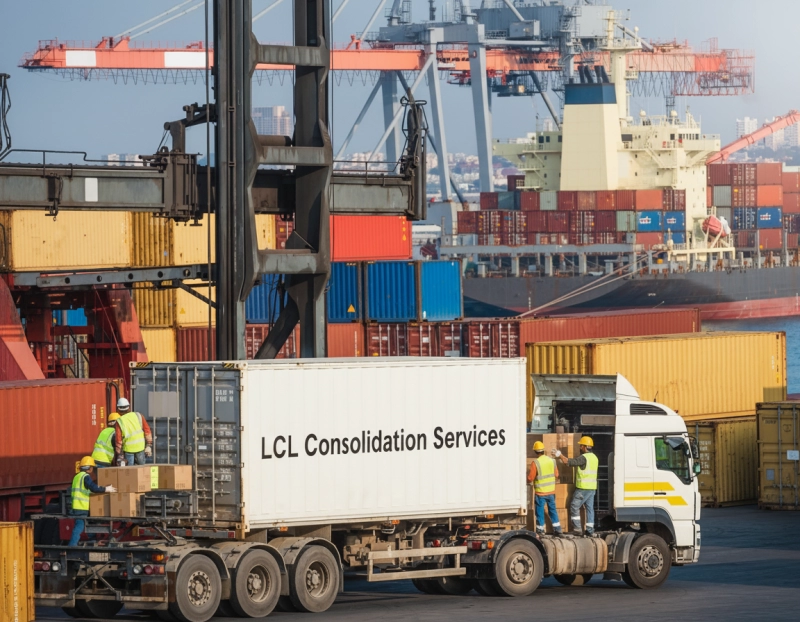
LCL consolidation services allow multiple shippers to share space in one container, making sea freight more affordable for smaller cargo volumes. However, because shipments from different exporters are loaded together, proper packing becomes critical. Secure packaging protects goods from movement, moisture, stacking pressure, and handling risks during transit.
Express Freight Services provides professionally managed LCL consolidation services with structured packing guidance to ensure cargo safety from origin to destination.
What Is LCL Consolidation and Why Does Packing Matters
LCL consolidation services involve combining cargo from different businesses into a single container. Each shipment is carefully segregated and documented before loading. Since goods are handled multiple times during consolidation, deconsolidation, and customs inspection, strong and compliant packaging is essential.
Poor packing in LCL shipments can result in:
- Cargo damage from shifting
- Exposure to moisture
- Compression due to stacking
- Label confusion
- Customs clearance delays
Secure packing ensures that goods remain intact and clearly identifiable throughout the shipping process.
Step-by-Step Guide to Packing Goods for LCL Consolidation
1. Choose the Right Outer Packaging
Strong outer packaging is the first layer of protection. Corrugated boxes with high burst strength are suitable for lighter cargo. For heavier or fragile goods, wooden crates or reinforced cartons are recommended.
When using LCL consolidation services, packaging must withstand stacking pressure since containers are filled efficiently to maximize space.
Example:
An electronics exporter shipping small devices through LCL consolidation services should use double-wall cartons with internal cushioning to prevent impact damage.
2. Use Proper Internal Cushioning
Internal cushioning protects products from vibration and movement during sea transit. Common materials include foam sheets, bubble wrap, air cushions, and protective paper padding.
Each item should be immobilized within the box to prevent shifting. Empty spaces should be filled completely.
This step is particularly important in LCL shipments because cargo may be stacked next to heavier goods.
3. Palletize Cargo Correctly
Palletization improves stability and simplifies handling. Goods placed on pallets are easier to load, unload, and segregate within LCL consolidation services.
Best practices include:
- Use standard-size pallets
- Ensure even weight distribution
- Shrink wrap securely
- Strap cartons firmly to the pallet
- Avoid overhanging boxes
Palletized cargo reduces the risk of damage and speeds up warehouse handling.
4. Protect Against Moisture
Sea freight containers can experience humidity changes during transit. Moisture protection is crucial in LCL consolidation services, especially for goods sensitive to water exposure.
Protection methods include:
- Using moisture-resistant packaging
- Applying plastic liners
- Adding desiccant bags
- Sealing cartons tightly
Example:
A textile exporter using LCL consolidation services should include moisture-absorbing materials to prevent fabric damage during long voyages.
5. Label Clearly and Accurately
Clear labeling ensures proper identification during consolidation and deconsolidation. Each carton should display:
- Consignee details
- Shipment reference number
- Handling instructions
- Country of destination
Proper labeling reduces sorting errors and helps customs officials verify cargo quickly.
Benefits of Proper Packing in LCL Consolidation Services
Reduced Damage Risk
Strong packaging prevents financial losses caused by damaged goods.
Smoother Customs Clearance
Clearly labeled and organized cargo simplifies inspection procedures.
Lower Insurance Claims
Well-packed shipments reduce the likelihood of insurance disputes.
Improved Supply Chain Reliability
Secure packing ensures predictable delivery timelines and customer satisfaction.
Pros and Cons of LCL Consolidation Services
Pros
- Cost-effective for small shipments
- Flexible shipping schedules
- Reduced the need to wait for full container loads
- Better cash flow management
Cons
- Multiple handling points
- Slightly longer transit time compared to FCL
- Higher importance of secure packing
- Shared container space with other cargo
While LCL consolidation services offer financial advantages, proper packing helps overcome the operational risks associated with shared container transport.
Common Packing Mistakes to Avoid
- Underestimating carton strength
- Leaving empty spaces inside boxes
- Ignoring moisture protection
- Improper pallet stacking
- Inaccurate labeling
These mistakes can increase damage risk and delay cargo release. Express Freight Services advises clients on correct packaging standards before cargo consolidation.
Industry Examples of Secure LCL Packing
Automotive Spare Parts
Spare parts require individual wrapping to prevent metal contact. Strong cartons and pallet strapping prevent movement inside LCL consolidation services.
Consumer Electronics
Sensitive devices must be packed with anti-static protection and shock-absorbing materials.
Food Products
Dry packaged foods require moisture resistant cartons and proper labeling to comply with regulations.
Industrial Equipment Components
Heavy items require wooden crates and reinforced pallet bases to withstand stacking pressure.
How Express Freight Services Supports Secure LCL Consolidation
Express Freight Services provides structured LCL consolidation services designed to protect cargo at every stage. Our team:
- Reviews packing standards before acceptance
- Guides clients on palletization requirements
- Ensures safe container loading
- Coordinates careful segregation of cargo
- Monitors shipment progress until delivery
By combining professional consolidation procedures with proper packing guidance, we help businesses reduce risk and improve shipment performance.
Why Secure Packing Improves Long-Term Shipping Efficiency
Consistent, secure packing practices reduce cargo disputes, minimize replacement costs, and enhance business credibility. When businesses adopt standardized packaging methods for LCL consolidation services, they benefit from smoother logistics operations and fewer interruptions in international trade.
Secure packing is not just about protecting goods. It supports compliance, operational stability, and long-term cost savings.
Conclusion
Packing goods correctly is essential for successful LCL consolidation services. Since multiple shipments share a container, cargo must be protected against stacking pressure, moisture, vibration, and handling risks. Strong outer packaging, proper cushioning, palletization, moisture control, and clear labeling are key factors that ensure safe delivery.
Express Freight Services offers professionally managed LCL consolidation services supported by expert guidance on secure packing practices. Our structured approach helps businesses ship smaller volumes confidently while maintaining cargo integrity and supply chain reliability.
View More Blogs

How Much Does Air Freight to Rustaq Cost? A Guide for importers and exporters
Air freight to Rustaq costs depend on shipment weight, volume, route origin, and urgency, but most i...

Oman Customs Clearance Through Sohar Port: Documents, Duties and Cargo Release
Customs clearance through Sohar Port runs on Oman’s Bayan electronic platform, where importers sub...

LCL Shipping in Seeb in 2026: What Importers Should Know About Costs, Consolidation and Customs
LCL consolidation in Seeb means sharing a container with other importers so you pay only for the spa...