


Choosing the right shipping method is a strategic decision that directly affects cost control, delivery timelines, and overall supply chain efficiency. While air freight offers speed and road freight ensures regional flexibility, sea freight remains the backbone of global trade. For many businesses, especially those handling large or recurring shipments, sea freight is not just an option but a necessity.
What Are Sea Freight Services in Freight Forwarding?
Sea freight services involve transporting goods via cargo vessels across international waters. Within freight forwarding services, sea freight includes route planning, carrier coordination, cargo consolidation, documentation, customs handling, and final delivery coordination.
A professional freight forwarder manages the entire process while a customs clearance agent handles regulatory compliance at origin and destination ports. Understanding custom clearance agent responsibilities is essential, as errors at this stage can cause delays and penalties.
Sea freight typically operates under two main shipment types:
- Full Container Load where one shipper occupies an entire container
- Less than Container Load where multiple shipments share container space through consolidation
When Sea Freight Is the Right Choice for Businesses
Large or Heavy Shipments
Sea freight is ideal when cargo volume or weight makes air freight financially impractical. Machinery, construction materials, industrial equipment, and bulk consumer goods are best moved by sea due to lower per-unit costs.
Businesses shipping regularly in high volumes benefit from predictable pricing and scalable capacity through ocean transport.
Cost-Sensitive Supply Chains
If delivery speed is flexible, sea freight provides significant cost advantages. Compared to air freight, ocean shipping allows businesses to allocate logistics budgets more efficiently without compromising cargo safety.
This is particularly important for manufacturers, wholesalers, and importers operating on tight margins.
LCL Shipments for Smaller Consignments
Not every business ships full containers. LCL consolidation services allow smaller shipments to share container space, reducing costs while still accessing international shipping routes.
LCL is suitable when:
- Shipment volumes are moderate
- Inventory replenishment is planned rather than urgent
- Businesses want lower upfront freight costs
Benefits of Choosing Sea Freight Services
1. Cost Efficiency at Scale
Sea freight offers the lowest transportation cost per unit for international shipments. This advantage increases as shipment size grows, making it ideal for long-term logistics planning.
2. Global Reach and Network Stability
Major shipping routes connect virtually every global market. Sea freight provides access to ports worldwide, enabling consistent trade even in regions with limited air connectivity.
3. Cargo Flexibility
Ocean freight supports a wide range of cargo types including oversized goods, hazardous materials, temperature-controlled cargo, and project shipments that are not suitable for air transport.
4. Integration With Freight Forwarding Services
When combined with professional freight forwarding services, sea freight becomes part of an integrated logistics solution that includes documentation, customs clearance, inland transport, and delivery coordination.
Pros and Cons of Sea Freight Services
Pros
- Lower shipping costs for large and bulk cargo
- High capacity and scalability
- Suitable for heavy, oversized, and special cargo
- Environmentally efficient per unit compared to air freight
Cons
- Longer transit times compared to air freight
- Port congestion and weather delays can affect schedules
- Requires careful customs documentation and compliance
Understanding these trade-offs helps businesses choose sea freight strategically rather than by default.
Role of Customs Clearance in Sea Freight
Customs clearance is a critical stage in sea freight forwarding. Custom clearance agent responsibilities include verifying shipping documents, ensuring tariff classification accuracy, managing duty payments, and coordinating inspections.
Working with experienced customs clearance companies reduces risks such as:
- Delays due to incomplete documentation
- Unexpected duty charges
- Regulatory non-compliance
Effective customs handling ensures cargo moves smoothly from port to final destination.
Real-World Business Examples
A furniture importer shipping containers from Asia to the Middle East benefits from sea freight due to large volumes and predictable demand cycles.
A retail distributor using LCL consolidation services can ship smaller weekly consignments without waiting to fill a full container, maintaining inventory flow while controlling logistics costs.
A manufacturing company exporting machinery relies on sea freight forwarding services for handling oversized cargo that cannot be transported by air.
How Express Freight Services Supports Sea Freight Shipping
Express Freight Services delivers end-to-end sea freight forwarding solutions tailored to business requirements. From route planning and carrier selection to LCL consolidation services and customs clearance coordination, every shipment is handled with precision and transparency.
By partnering with trusted customs clearance companies and leveraging strong global networks, Express Freight Services ensures reliable, compliant, and cost-effective sea freight operations.
Conclusion
Sea freight services are the right choice when businesses prioritize cost efficiency, shipment capacity, and long-term logistics planning over speed. Whether shipping full containers or consolidated cargo, sea freight plays a vital role in global supply chains.
When supported by professional freight forwarding services, experienced customs clearance agents, and efficient LCL consolidation services, sea freight becomes a powerful and dependable shipping solution.
If your business is planning international shipments and evaluating sea freight options, Express Freight Services can help you choose the right strategy. Contact our team today to optimize your sea freight forwarding, customs clearance, and consolidation needs with confidence and clarity.
View More Blogs
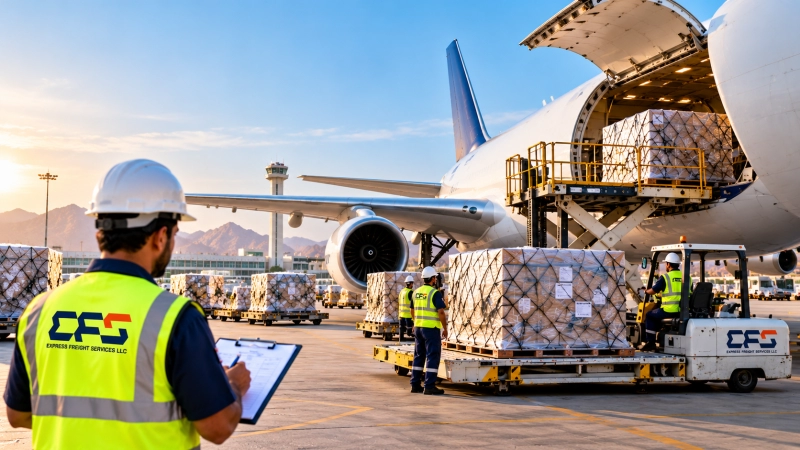

How Much Does Air Freight to Rustaq Cost? A Guide for importers and exporters
Air freight to Rustaq costs depend on shipment weight, volume, route origin, and urgency, but most i...
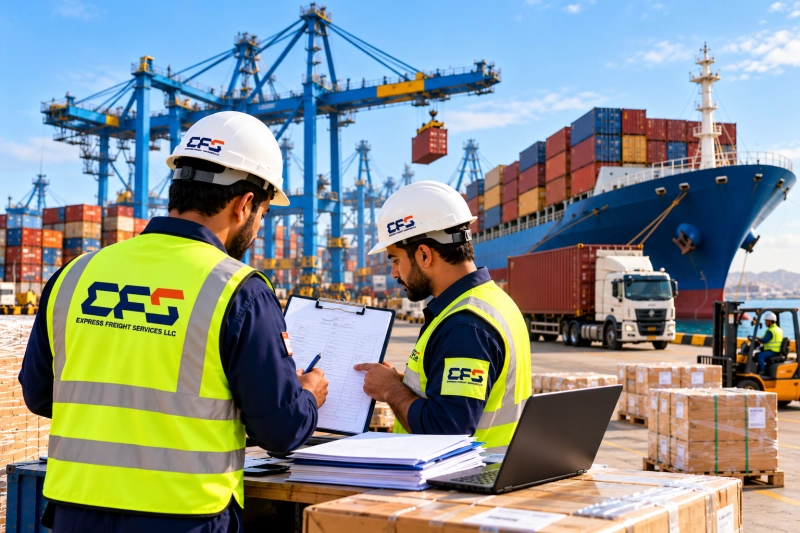
Oman Customs Clearance Through Sohar Port: Documents, Duties and Cargo Release
Customs clearance through Sohar Port runs on Oman’s Bayan electronic platform, where importers sub...
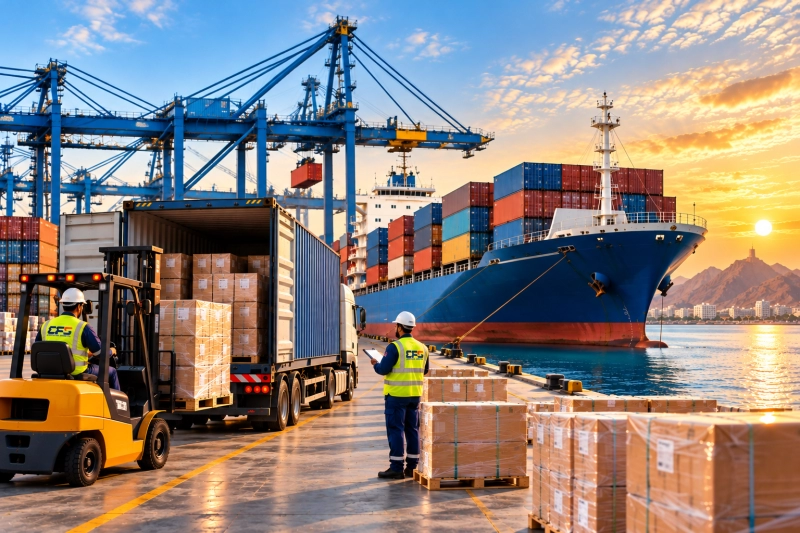
LCL Shipping in Seeb in 2026: What Importers Should Know About Costs, Consolidation and Customs
LCL consolidation in Seeb means sharing a container with other importers so you pay only for the spa...