

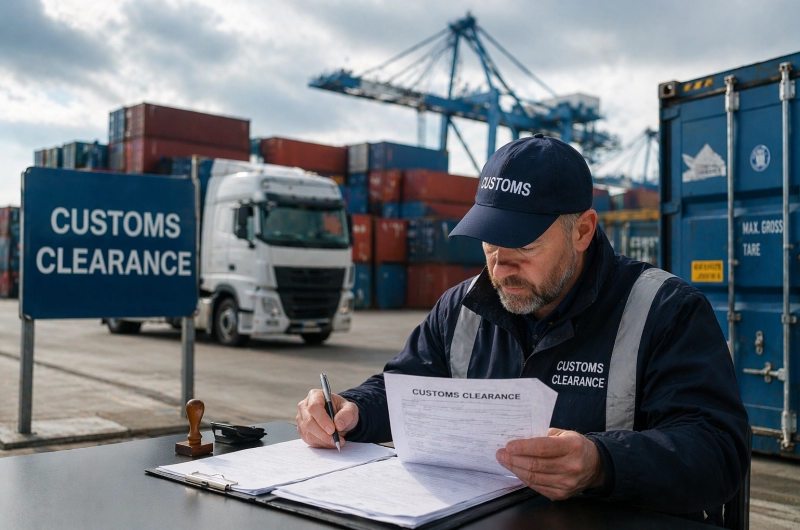
If you’ve ever dealt with international shipping, you already know how tricky customs clearance requirements can be. One small mistake in paperwork or timing can hold your shipment for days. Sometimes longer. At Express Freight Services LLC, businesses often come in with the same concern. How do we move cargo smoothly without getting stuck at customs?
The good news is, delays are not always unavoidable. With the right understanding and a bit of preparation, you can actually reduce most of these issues.
What Are Customs Clearance Requirements?
In simple terms, customs clearance requirements are the rules and documents needed to move goods across international borders. Every country has its own regulations. That’s where things start to get complicated.
These requirements usually include:
Proper invoices
Accurate product descriptions
Duty and tax payments
Compliance with local regulations
The process of customs and clearance is not just paperwork. It is about making sure your shipment meets all legal conditions before entering or leaving a country.
Why Delays Happen in Customs Clearance
Let’s be honest. Most delays don’t happen randomly. There is usually a reason behind them.
Common causes include:
Missing or incorrect custom clearance documents
Wrong product classification
Undervaluation or overvaluation of goods
Regulatory restrictions
Lack of communication between parties
Even a small typo in documentation can slow things down. That’s how sensitive this process is.
Key Documents Required for Smooth Clearance
Getting your documents right is half the job done.
Here’s a quick overview:
Having accurate custom clearance documents ensures your shipment moves without unnecessary checks.
How to Meet Customs Clearance Requirements Without Delays
This is where things get practical. If you want to avoid delays, you need a system. Not just last-minute fixes.
1. Prepare Documentation Early
Don’t wait until the last moment. Start preparing documents as soon as the shipment is planned.
Double-check everything:
Product details
Quantity
Value
Even small mismatches can cause issues.
2. Understand Country-Specific Regulations
Each country has different customs clearance requirements. What works in one region may not work in another.
For example, certain goods may need special permits or certifications. If you miss that, your shipment gets held.
3. Classify Goods Correctly
Product classification determines duties and taxes. Incorrect classification can lead to penalties or delays.
Take time to get this right. Or better, consult an expert.
4. Work with Experienced Professionals
This is where services like Freight Forwarding Services come in. A good logistics partner already understands the process and can guide you through it.
They help with:
Documentation
Coordination
Compliance
It saves time and reduces stress.
5. Use Reliable Customs Clearance Support
Partnering with Customs Clearance Services makes a big difference. They handle the complex parts and keep things moving.
They also help you stay updated on any regulation changes.
6. Track Your Shipment Regularly
Tracking is not just for location updates. It helps you stay informed about customs status as well.
If something is delayed, you can act quickly instead of waiting blindly.
Role of LCL Consolidation in Customs Efficiency
If you’re shipping smaller loads, LCL Consolidation Services can actually make things smoother.
Since shipments are grouped and managed professionally, documentation is handled more systematically. That reduces errors and improves clearance speed.
Importance of Integrated Cargo Services
When you use full Cargo Services, everything is connected. Transportation, storage, documentation, and delivery.
This reduces miscommunication and keeps your shipment on track.
Businesses using cargo services in Oman often benefit from this integrated approach, especially when dealing with multiple shipments.
How Local Expertise Makes a Difference
Working with experienced customs clearance companies in Oman helps you handle local regulations better.
Even though your business may operate globally, having regional expertise matters. It ensures compliance with specific customs rules.
At the same time, companies offering global shipping services in Oman can support international operations while maintaining local efficiency.
How-To Guide: Step-by-Step Customs Clearance Process
If you want a simple roadmap, here it is:
Step 1: Prepare all documents
Ensure invoices and packing lists are accurate
Step 2: Submit documentation
Provide all required paperwork to customs authorities
Step 3: Duty calculation
Customs calculates applicable duties and taxes
Step 4: Inspection if required
Some shipments are selected for inspection
Step 5: Clearance approval
Once approved, goods are released
Step 6: Final delivery
The shipment moves to its destination
Following these steps properly helps meet customs clearance requirements without unnecessary delays.
Common Mistakes to Avoid
Even experienced businesses make mistakes sometimes.
Here are a few to watch out for:
Incomplete documentation
Ignoring local regulations
Last-minute submissions
Poor coordination between teams
Not using professional help
Avoiding these can save you both time and money.
Benefits of Meeting Customs Clearance Requirements Efficiently
When you handle things correctly, the benefits are clear:
Faster delivery timelines
Reduced storage costs
Better customer satisfaction
Improved business reputation
Fewer penalties and fines
It’s not just about avoiding delays. It’s about running your logistics smoothly.
Why Choose Express Freight Services LLC?
Express Freight Services LLC understands how frustrating customs delays can be.
They offer:
Reliable Freight Forwarding Services
Efficient LCL Consolidation Services
Professional Customs Clearance Services
End-to-end Cargo Services
With a strong presence in international logistics and experience in handling cargo services in Oman, the company helps businesses move goods without unnecessary complications.
Conclusion
Meeting customs clearance requirements does not have to feel overwhelming. Once you understand the process and follow the right steps, things become much more manageable.
The key is preparation, accuracy, and working with the right partners.
View More Blogs

How Much Does Air Freight to Rustaq Cost? A Guide for importers and exporters
Air freight to Rustaq costs depend on shipment weight, volume, route origin, and urgency, but most i...
Oman Customs Clearance Through Sohar Port: Documents, Duties and Cargo Release
Customs clearance through Sohar Port runs on Oman’s Bayan electronic platform, where importers sub...
LCL Shipping in Seeb in 2026: What Importers Should Know About Costs, Consolidation and Customs
LCL consolidation in Seeb means sharing a container with other importers so you pay only for the spa...