

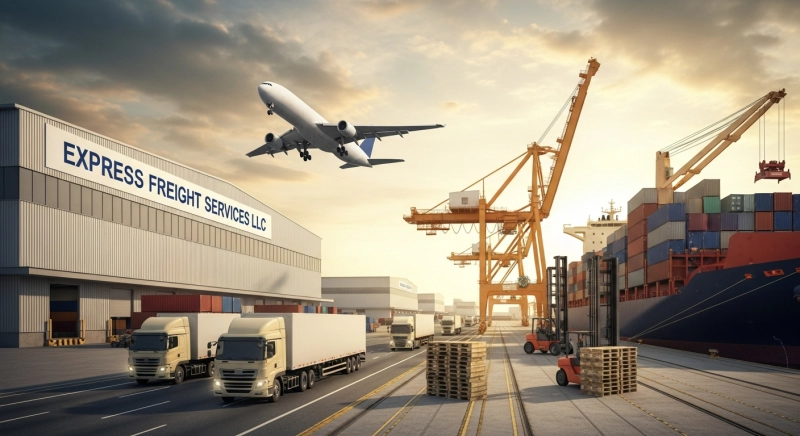
Freight costs have been climbing for a while now, and for many businesses it’s starting to feel like keeping those bills in check is just as important as actually getting the goods where they need to go. It doesn’t matter if you’re shipping something halfway across the world or just arranging regular local deliveries, the tiny decisions you make along the way can quietly stack up and affect your logistics budget more than you’d expect. The good thing is, lowering freight forwarding costs isn’t about cutting corners it’s more about planning properly and understanding where money usually slips away.
Plenty of companies end up paying more than they should because of last-minute bookings, sloppy packing, avoidable delays, or just picking the wrong mode of transport. With a bit of structure and the right people helping you these costs can be managed way better. We’re basically talking about practical stuff you can actually do to lower your freight costs without throwing your delivery timelines out of balance. It’s not magic, just things that make a real difference when you apply them.
What Affects Freight Forwarding Costs?
Freight costs are influenced by a mix of things, and once you understand those pieces, controlling the spend becomes a whole lot easier. Distance and transport mode are the obvious ones. Sea, air and road all have different pricing rules, and each reacts differently to fuel prices, demand, peak seasons and so on. Weight and volume matter too since carriers charge based on space and weight whichever hits harder.
Then you’ve got documentation and customs stuff. One mistake in paperwork can turn into delays, storage charges, penalties. all the annoying extras. Even the season can mess with your costs. When shipping lanes get crowded, carriers hike their rates because there’s less space to go around. It’s annoying, but it’s normal. Once you actually know what’s driving the price up, it gets a lot easier to plan things properly and avoid paying for stuff you didn’t really have to.
Plan Shipments in Advance
Planning ahead is easily one of the simplest ways to save money. Last-minute bookings usually cost more because carriers have limited space and you’re basically asking them to squeeze you in. When you plan early, you get better schedules, better pricing, and more route options instead of settling for whatever’s left.
You also avoid all those rush fees, rebooking charges and document mix-ups that come from scrambling at the last minute. With a bit of breathing room, you can compare rates properly and pick the most sensible route. Businesses that plan ahead usually save money and avoid the headache of racing against a deadline.
Use LCL for Small Shipments
If you don’t have enough cargo to fill a whole container, LCL is a smart way to keep costs down. Instead of paying for a full container you’re not using, your goods share space with other shipments moving in the same direction. You only pay for the portion you take up.
LCL also lets you ship goods as they’re ready instead of waiting endlessly to build up a full load. This keeps your supply chain moving and stops you from tying up cash in big inventory stockpiles. When handled well, LCL gives you the flexibility to move goods frequently without blowing your budget.
Optimise Packaging and Cargo Dimensions
The way you pack your goods plays a bigger role in the cost than most people think. Carriers look at both volume and weight, so if you’re using oversized boxes or leaving a lot of empty space inside, you’re basically paying for air. Same thing with bulky pallets they eat up space for no real reason.
If you tighten things up a bit smaller boxes, less dead space, stacking things a little more thoughtfully you can actually shave off a decent chunk of the volume. It doesn’t seem like much at first, but when you’re shipping regularly, those small tweaks start to add up. Plus, better packing makes your cargo easier for handlers to deal with and lowers the risk of something getting banged up along the way. So packaging isn’t just about protection it’s a legit way to save money.
Compare Carrier Options and Routes
Not every carrier charges the same. Two companies can offer the exact same route and still quote wildly different prices. If you rely on just one option every single time, you might be overpaying without even realising it.
Sometimes choosing a slightly different route or port can bring down the cost too. A longer route isn’t always more expensive sometimes it’s actually the cheaper one. The trick is not rushing into the first available offer. A good forwarder can help compare options so you don’t end up paying more than needed.
Reduce Avoidable Delays and Penalties
A big chunk of extra charges comes from delays that could’ve been totally avoided. Missing documents, incorrect HS codes, late submissions these things send shipments straight into storage, detention or demurrage fees.
Keeping your paperwork clean and accurate is one of the easiest ways to avoid all that. Make sure the documents match, duties are calculated right, and declarations are submitted on time. Staying updated on regulations and keeping communication clear with your forwarder helps too. When you cut down on preventable delays, your overall freight cost drops naturally.
Leverage a Freight Forwarder’s Network
A well-connected forwarder can get you better rates than you’d manage alone. They move cargo for multiple clients, so carriers give them negotiated pricing, priority access during peak seasons and more reliable options.
Forwarders also know which carriers make sense for which destinations, so you don’t have to compare dozens of quotes yourself. By tapping into their network, you save money as well as time and you get more stability in your shipments.
Choose the Right Mode of Transport
Your transport mode can massively influence your final cost. Sea freight is the cheapest for heavy or big shipments. Air freight is fast but expensive. Road and rail land somewhere in between depending on distance and availability.
If the cargo isn’t urgent, sea freight will usually save you the most. If time matters more than money, air freight might be the better call. For regional movements, road or rail usually works just fine. Matching your shipment with the right mode helps balance cost with delivery speed.
Improve Forecasting and Shipment Frequency
Better forecasting can reduce costs more than most people expect. When you know what you need to ship and when you can choose the right transport mode, avoid expensive rush arrangements, and plan your shipments around better rates.
Some companies save money by adjusting how often they ship. Instead of sending lots of small shipments at random, combining orders or sticking to a predictable schedule can unlock better pricing from carriers. A steady shipping pattern also helps your forwarder negotiate good long-term rates.
Why Working with Express Freight Services Helps Lower Freight Costs
Partnering with Express Freight Services gives businesses a real advantage when it comes to managing costs. The team understands how pricing works, which routes are worth it, and how to avoid the traps that usually lead to extra charges. Instead of leaving you to guess your way through rate sheets, they guide you toward options that fit your budget without messing with reliability.
Because they move freight for many clients, they can negotiate better rates with carriers across sea, air and road. They also handle documentation, customs and planning with care so you avoid the usual penalties, storage charges and last-minute rebooking fees. Their mix of experience, clear communication and organised processes helps keep costs down while keeping your cargo on schedule.
Reducing freight forwarding costs isn’t about doing things cheaply it’s about making smarter decisions at every step. When you plan smarter, choose the right transport mode, keep documents accurate and pack cargo efficiently, you naturally keep your logistics budget in check without slowing down your supply chain.
Having the right partner makes the whole thing even easier. Express Freight Services helps businesses with cost-effective routes, smart consolidation options and careful coordination that keeps unnecessary charges away. With the right guidance, shipping becomes more predictable and a lot more affordable. For companies trying to move cargo efficiently while keeping expenses under control, Express Freight Services offers the experience and support to make every shipment more economical.
View More Blogs

How Much Does Air Freight to Rustaq Cost? A Guide for importers and exporters
Air freight to Rustaq costs depend on shipment weight, volume, route origin, and urgency, but most i...
Oman Customs Clearance Through Sohar Port: Documents, Duties and Cargo Release
Customs clearance through Sohar Port runs on Oman’s Bayan electronic platform, where importers sub...
LCL Shipping in Seeb in 2026: What Importers Should Know About Costs, Consolidation and Customs
LCL consolidation in Seeb means sharing a container with other importers so you pay only for the spa...