

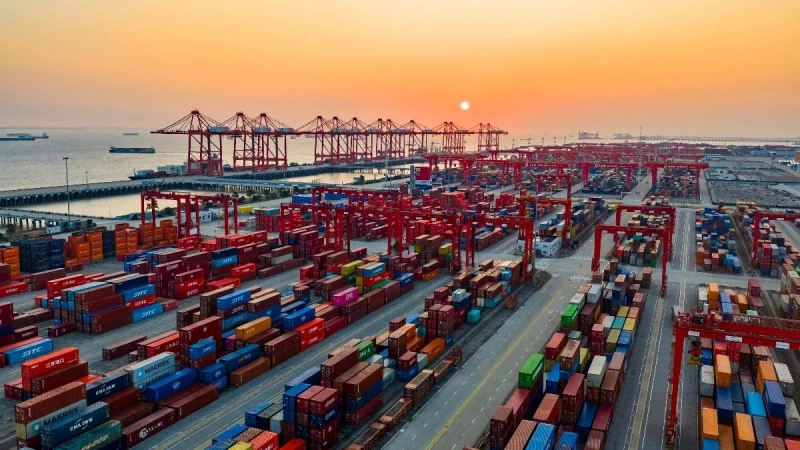
Customs Clearance in Salalah is becoming more important as the Sharjah-Oman Logistics Corridor continues reshaping regional cargo movement in 2026. At Express Freight Services LLC, businesses are already seeing how faster border coordination and smarter shipping routes are changing the way cargo moves between the UAE and Oman.
Honestly, logistics across the Gulf is not working the exact same way it did a few years ago. Businesses now want quicker customs approvals, better shipment visibility, and more flexible routing options instead of relying only on traditional shipping patterns.
That is exactly why the Sharjah-Oman Logistics Corridor is getting so much attention right now.
What Is the Sharjah-Oman Logistics Corridor?
The Sharjah-Oman Logistics Corridor is basically a growing trade and transport connection between Sharjah and major logistics hubs in Oman including Salalah.
The corridor supports:
- Cross border cargo movement
- Faster regional transport
- Customs coordination
- Multi route shipping flexibility
- Better GCC trade connectivity
Cargo now moves more efficiently through road freight, sea freight, and bonded transport systems connecting UAE and Oman trade networks.
For businesses handling imports and exports regularly, this creates more flexibility in supply chain planning.
Why Is Salalah Becoming More Important?
Salalah has always been strategically located for international shipping. But recently, its role has expanded quite a bit.
A few reasons explain why:
- Strong port connectivity
- Access to international sea routes
- Reduced congestion compared to some regional hubs
- Growing logistics infrastructure
- Faster cargo movement toward GCC markets
As shipping demand continues increasing, Customs Clearance in Salalah becomes a major factor in keeping cargo flowing without long delays.
A shipment reaching the port quickly does not really help much if customs processing slows everything down afterward.
How Does the Corridor Affect Customs Clearance?
This is where things get interesting.
The Sharjah-Oman Logistics Corridor is not only about transport routes. It also affects how customs coordination happens between different logistics points.
Businesses now expect:
- Faster document verification
- Better shipment tracking
- Reduced cargo inspections
- Improved border coordination
- More predictable release timelines
Efficient Customs Clearance Services play a huge role in making this possible.
Without proper customs coordination, even the best transport route can still face major delays.
Why Faster Customs Processing Matters More in 2026
Shipping timelines are tighter now.
Businesses no longer want inventory sitting in ports or warehouses for unnecessary periods. Many companies are moving toward:
- Smaller shipment cycles
- Faster inventory turnover
- Flexible supply chains
- Lower warehouse dependency
That shift puts more pressure on customs operations to process cargo quickly and accurately.
Especially for businesses handling shared container shipments through LCL Consolidation Services, customs efficiency directly impacts delivery timelines.
One delayed shipment inside a shared container can sometimes affect multiple businesses at once.
How Freight Forwarders Support Corridor Logistics
Freight forwarders have become much more involved in supply chain coordination than before.
Reliable Freight Forwarding Services help businesses manage:
- Shipment scheduling
- Customs paperwork
- Cargo routing
- Carrier coordination
- Delivery planning
At Express Freight Oman, shipment coordination often starts before cargo even reaches the port. That preparation helps reduce customs complications later.
A lot of delays honestly come from paperwork mistakes that could have been avoided earlier.
How Technology Is Improving Customs Clearance in Salalah
Customs systems today are becoming more digital and connected compared to older manual processes.
Businesses now benefit from:
- Electronic document submission
- Real time shipment tracking
- Digital customs verification
- Faster cargo visibility
- Automated shipment updates
This helps reduce paperwork confusion and improves communication across the logistics chain.
Still, technology alone does not solve everything. Experienced coordination remains important because shipping rarely moves perfectly every single day.
Why LCL Shipping Benefits from Faster Customs Coordination
LCL shipping continues growing because businesses want more flexibility.
Instead of waiting to fill full containers, companies now move smaller cargo shipments more frequently. That improves inventory flow and reduces warehouse pressure.
But shared container shipping also requires:
- Accurate documentation
- Better shipment coordination
- Faster customs processing
- Consistent cargo visibility
That is why efficient LCL Consolidation Services depend heavily on customs operations working smoothly.
Without proper customs handling, shared container shipments can face unnecessary delays pretty quickly.
Real Example of Corridor Logistics in Action
A retail supplier shipping products between Sharjah and Oman faced repeated delivery disruptions last year because of inconsistent customs documentation and route planning.
The cargo kept facing:
- Inspection delays
- Storage charges
- Delivery rescheduling
- Inventory shortages
After restructuring logistics coordination and improving Customs Clearance in Salalah, shipments started moving more consistently through the corridor.
Transit timelines became more predictable and inventory planning improved too.
Nothing dramatic overnight honestly. Just fewer interruptions and smoother coordination overall.
Why Regional Expertise Matters More Now
Logistics across the GCC is becoming more interconnected.
Businesses working with experienced cargo services in oman usually benefit from:
- Faster shipment coordination
- Better customs planning
- Reduced document errors
- Improved route management
- More flexible shipping options
At Express Freight Services LLC, understanding regional customs procedures and border coordination helps businesses avoid many avoidable disruptions.
Because honestly, small mistakes in shipping tend to become expensive very quickly.
How Businesses Can Prepare for Faster Corridor Logistics
Businesses can improve shipment efficiency with a few practical steps.
Prepare Documents Early
Late paperwork often creates avoidable customs delays.
Verify Cargo Details Carefully
Consistent descriptions and accurate HS codes matter a lot.
Plan Flexible Delivery Timelines
Cross border logistics still requires some scheduling flexibility.
Work With Experienced Customs Teams
Professional coordination reduces disruptions significantly.
Many businesses working with customs clearance companies in oman already understand that smoother shipping usually starts with better preparation.
Conclusion
The Sharjah-Oman Logistics Corridor is changing how businesses approach regional shipping and customs coordination in 2026. Faster cargo movement between Sharjah and Oman creates new opportunities for importers, exporters, and logistics providers handling GCC trade operations.
But efficient transport routes alone are not enough.
Customs Clearance in Salalah plays a major role in making sure cargo moves smoothly without unnecessary delays, inspections, or documentation problems.
At Express Freight Services LLC, coordinated logistics planning, customs support, and regional shipping expertise help businesses manage cargo movement more efficiently across the growing UAE-Oman trade corridor.
Frequently Asked Questions
1. What is the Sharjah-Oman Logistics Corridor?
It is a growing trade and transport connection supporting cargo movement between Sharjah and Oman through road, sea, and customs coordination systems.
2. Why is Customs Clearance in Salalah important?
Efficient customs processing helps reduce shipment delays, storage charges, and cargo disruptions for businesses moving goods through Oman.
3. How do Freight Forwarding Services support corridor logistics?
They help coordinate shipment planning, customs documentation, cargo routing, and delivery management.
4. Why is LCL shipping growing in regional logistics?
Businesses prefer smaller and more flexible shipments instead of waiting to fill full containers.
5. How can businesses avoid customs delays?
Accurate documentation, early preparation, and experienced logistics coordination usually help reduce customs related issues.
View More Blogs
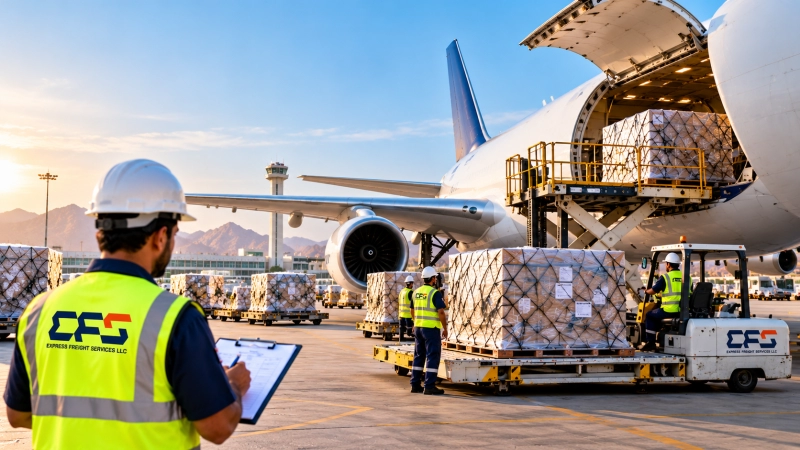

How Much Does Air Freight to Rustaq Cost? A Guide for importers and exporters
Air freight to Rustaq costs depend on shipment weight, volume, route origin, and urgency, but most i...
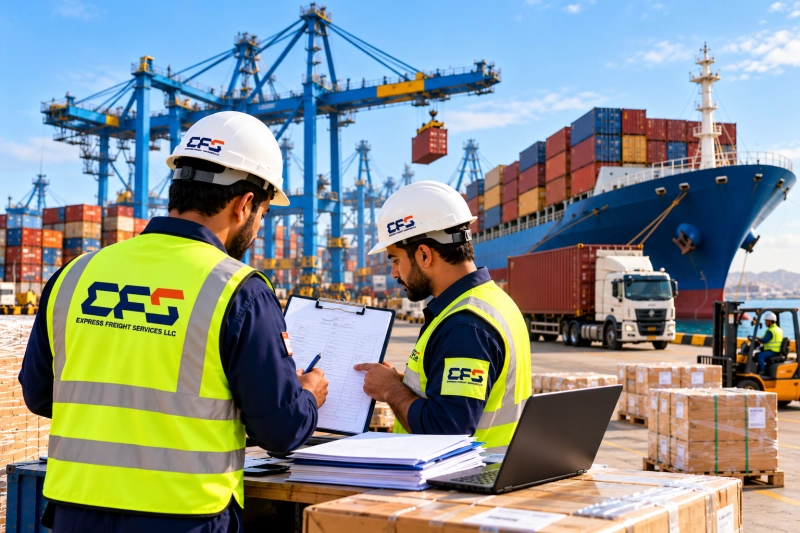
Oman Customs Clearance Through Sohar Port: Documents, Duties and Cargo Release
Customs clearance through Sohar Port runs on Oman’s Bayan electronic platform, where importers sub...
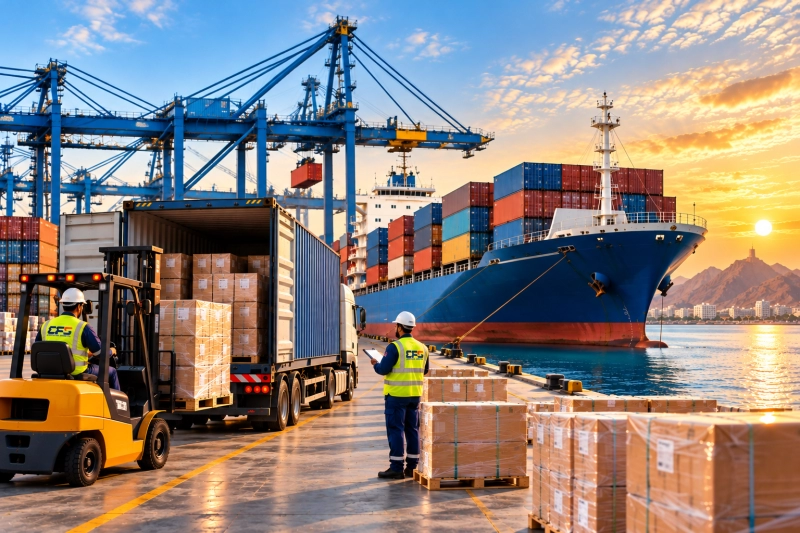
LCL Shipping in Seeb in 2026: What Importers Should Know About Costs, Consolidation and Customs
LCL consolidation in Seeb means sharing a container with other importers so you pay only for the spa...