

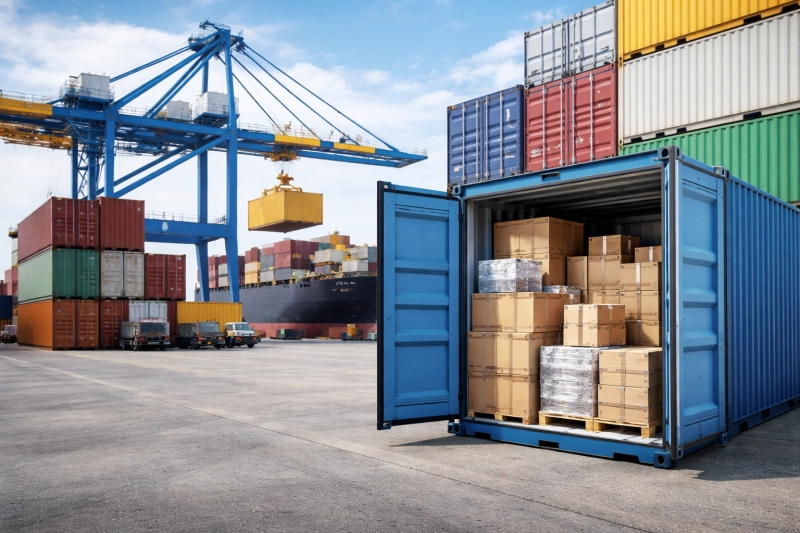
LCL sea freight shipments can be tracked in real time through freight forwarder portals, carrier tracking systems, and automated shipment updates that provide visibility from origin to final delivery. With proper coordination and reliable LCL consolidation services, businesses can monitor cargo movement, reduce delays, and improve supply chain control.
For companies that ship smaller volumes, tracking is not just a convenience. It is essential for planning inventory, managing customer expectations, and avoiding unexpected costs.
What Is LCL Sea Freight and Why Does Tracking Matter
Understanding LCL Sea Freight
LCL sea freight stands for Less than Container Load shipping. Instead of booking a full container, multiple shippers share container space. Each shipment is consolidated at the origin and separated at the destination.
This approach is cost-effective for small and medium sized businesses that do not require a full container.
How LCL Consolidation Services Work
With professional LCL consolidation services, freight forwarders collect cargo from different suppliers, combine them into one container, and handle port documentation and customs procedures.
Because several shipments share the same container, tracking becomes crucial. Any delay in one stage can impact overall delivery timelines.
Why Is Real Time Tracking Important for LCL Sea Freight
Real-time tracking provides shipment visibility at every milestone.
Key Benefits
- Improved inventory planning
- Reduced risk of stock shortages
- Better communication with customers
- Faster response to shipping delays
- Lower storage and demurrage charges
For example, if a vessel is delayed due to port congestion, tracking alerts allow businesses to adjust delivery schedules immediately instead of discovering the issue at arrival.
How Can You Track LCL Sea Freight Shipments
1. Freight Forwarder Tracking Portals
Most logistics providers offer online dashboards. By entering the Bill of Lading or booking number, you can check:
- Cargo received at the warehouse
- Container loading confirmation
- Vessel departure date
- Estimated time of arrival
- Port arrival updates
- Customs clearance status
Express Freight Services provides structured tracking updates to ensure clients stay informed throughout transit.
2. Shipping Line Tracking
Shipping lines allow tracking through container numbers. This provides vessel schedules and transshipment details.
3. Automated Email Notifications
Many forwarders send milestone updates automatically. This helps logistics managers stay updated without manual checks.
Step-by-Step Process to Track Your Shipment
Step 1
Collect shipment details, including Bill of Lading number, container number, and carrier name.
Step 2
Log in to the freight forwarder tracking system.
Step 3
Monitor milestone updates such as loading, departure, arrival, and clearance.
Step 4
Compare estimated arrival dates with your inventory plan.
Step 5
Contact your forwarder immediately if updates stop or delays occur.
Pros and Cons of Tracking LCL Sea Freight
Pros
- Full shipment visibility
- Better supply chain planning
- Reduced uncertainty
- Improved customer satisfaction
Cons
- Dependence on accurate data input
- Possible delays in system updates
- Limited control over external factors like the weather
Despite minor limitations, real-time tracking significantly improves logistics management.
Example Scenario
A retail importer shipping seasonal goods through LCL sea freight can monitor vessel departure and arrival updates. If the estimated arrival changes, the company can adjust marketing campaigns and warehouse scheduling. With reliable LCL consolidation services, they avoid unnecessary delays and reduce operational risks.
Best Practices for Effective Tracking
- Maintain regular communication with your freight forwarder
- Enable automated notifications
- Verify shipment details before departure
- Plan buffer time during peak seasons
- Review tracking milestones regularly
Conclusion
Tracking LCL sea freight shipments in real time is essential for modern supply chains. With the support of professional LCL consolidation services, businesses gain transparency, reduce risks, and improve delivery accuracy. By using digital tracking tools and following best practices, companies can manage shipments confidently from booking to final delivery.
Contact Express Freight Services today for expert consolidation services and seamless shipment visibility tailored to your business needs.
View More Blogs


How Much Does Air Freight to Rustaq Cost? A Guide for importers and exporters
Air freight to Rustaq costs depend on shipment weight, volume, route origin, and urgency, but most i...

Oman Customs Clearance Through Sohar Port: Documents, Duties and Cargo Release
Customs clearance through Sohar Port runs on Oman’s Bayan electronic platform, where importers sub...

LCL Shipping in Seeb in 2026: What Importers Should Know About Costs, Consolidation and Customs
LCL consolidation in Seeb means sharing a container with other importers so you pay only for the spa...