

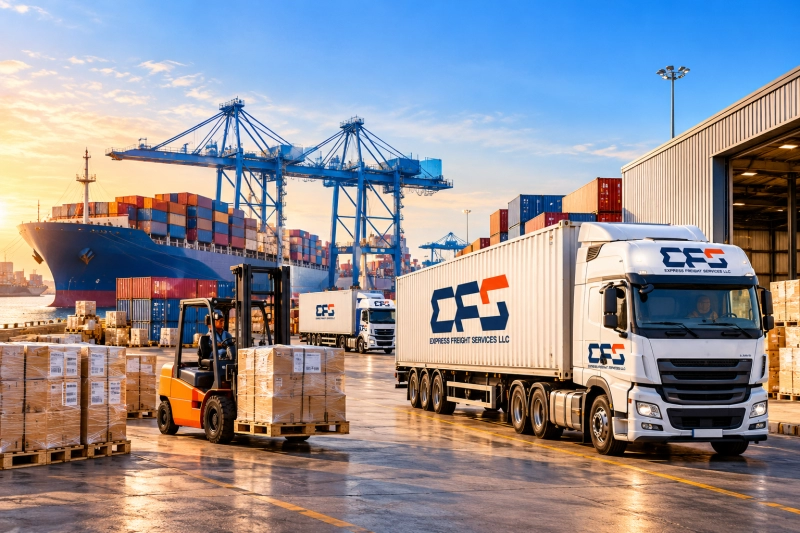
LCL shipping costs in Rustaq depend primarily on cargo volume in cubic metres (CBM), the destination port, and how much handling your goods need before they reach the consolidation hub. Because Rustaq sits inland from Oman’s main commercial ports, most LCL shipments route through Sohar or Muscat before joining a consolidated container, which means local transport and documentation fees form part of the total charge. Express Freight Services LLC handles this routing regularly, and the practical takeaway is simple: you are paying for shared container space, not an entire box, so smaller consignments under roughly 15 CBM are usually the sweet spot.
What Actually Makes Up an LCL Quote in Rustaq
A freight quote is rarely one number. It is a stack of separate charges, and knowing which ones apply to your shipment helps you spot gaps and avoid surprises at the destination.
Weight and volume interact through a chargeable weight formula. If your cargo is dense, you may be billed by weight ton rather than CBM. Light but bulky goods, like furniture or insulation, almost always bill by volume.
Why LCL Beats FCL for Smaller Loads
Full container loads make sense when you have enough cargo to fill a 20-foot or 40-foot container. In most cases, that means roughly 15 CBM or more of actual goods. Below that threshold, LCL typically costs less because you only pay for the space you use.
LCL also lets you ship more frequently. A small business in Rustaq sending a few pallets every month avoids tying up capital in inventory waiting to fill a whole container. The trade-off is handling: your cargo is loaded and unloaded alongside other shippers’ goods, which slightly increases the risk of damage and adds a few days to transit.
The Rustaq-Specific Factors Most Quotes Do Not Show
Rustaq’s location creates a cost layer that coastal shippers do not face. The inland leg to Sohar or Muscat is not free, and it is not always included in the first quote you receive. Ask whether the rate covers door-to-port, port-to-port, or door-to-door. Door-to-port is common for LCL, meaning you or your freight forwarder arranges the first and last mile separately.
Documentation also matters more than many first-time shippers expect. Commercial invoices, packing lists, and certificates of origin for Omani goods all need to be accurate before consolidation. Errors here cause delays at the warehouse, and delays in LCL are expensive because your cargo may miss the booked vessel and wait for the next consolidation window.
Common Mistakes That Inflate LCL Costs
- Under-declaring volume on the enquiry, then receiving a revised invoice once the warehouse measures the actual pallets
- Ignoring destination charges, which often exceed the origin-side fees for small shipments
- Poor palletising that wastes vertical space and increases chargeable CBM
- Booking without confirming whether customs clearance in Rustaq is included or billed separately
- Choosing the cheapest forwarder without checking consolidation frequency to your destination
How Freight Forwarding Services in Rustaq Fit In
A local provider of freight forwarding services in Rustaq does more than book space. They coordinate the inland trucking, prepare export documentation, and advise on packing standards that hold up inside a shared container. For LCL Consolidation Services in Rustaq, the forwarder’s warehouse becomes the point where your cargo is checked, measured, and grouped with compatible freight. That consolidation step determines your final chargeable volume, so it pays to have someone local who can physically inspect the cargo before it leaves.
Getting a Quote Worth Comparing
Ask for a line-item breakdown, not a lump sum. Request the quote in the same Incoterm for every forwarder you contact, ideally FOB or CIF, so you are comparing like with like. Confirm the consolidation schedule: a forwarder sailing weekly to your destination may cost slightly more than one sailing monthly, but the faster schedule reduces warehousing and inventory costs.
For shipments leaving Rustaq, the most reliable approach is to work with a forwarder that knows both the inland route and the destination market. Contact us today for a quick consultation and a line-item LCL quote built around your actual cargo volume and destination.
FAQ
1.What is the minimum volume for LCL shipping from Rustaq?
Most forwarders accept shipments from 1 CBM upward, but below that threshold the fixed handling charges can make LCL poor value. Very small consignments sometimes ship more economically via air freight or courier services.
2.How long does LCL shipping take from Oman?
Transit times vary by destination. Gulf and Indian Subcontinent lanes typically take one to two weeks, while European destinations commonly run three to five weeks depending on consolidation schedules and transshipment ports.
3.Is LCL safe for fragile goods?
Yes, with proper packing. Fragile items need crating or reinforced palletising because LCL cargo is handled multiple times. Inform your forwarder about fragile contents so they can position your pallets appropriately inside the container.
4.Who handles customs clearance in Rustaq?
The freight forwarder usually arranges export clearance, but the responsibility for accurate documentation stays with the shipper. Confirm whether clearance fees are included in your quote or billed separately.
View More Blogs


Door-to-Door Freight Forwarding in Rustaq: How It Works
Freight forwarding in Rustaq means arranging cargo movement from a supplier or seller to a final add...
Road Freight from Seeb to Dubai: Routes, Documents and Transit Planning
Road freight from Seeb to Dubai is the most practical option for businesses and individuals moving c...
Customs Clearance Delays in Seeb: Common Causes and How to Avoid Them
Customs clearance delays in Seeb typically stem from documentation errors, HS code misclassification...