


Custom clearance is basically the part where a country’s customs department gives your goods the official “okay” to enter or leave. They check whether everything meets the rules, taxes, and paperwork requirements. It’s one of those steps you just can’t skip in international shipping. When it’s handled properly, your shipment glides through the border without drama. If it’s not well, things can go sideways pretty quickly.
Why Is Customs Clearance So Important in International Shipping?
Because if something goes wrong here, your cargo doesn’t just get “slightly delayed.” It can be held, fined, or stuck for days with no movement at all.
Here’s why it’s such a big deal:
1. It keeps you out of legal trouble at borders
2. Helps your shipments arrive on time
3. Saves you from storage fees and random penalties
4. Builds trust with clients and customs officials
What Are the Steps in the Customs Clearance Process?
Let’s break it down in plain, simple terms.
1. Documentation Preparation
This is the backbone of the whole process. You’ll need:
- Commercial invoice
- Packing list
- Bill of Lading or Airway Bill
- Import/export license (when required)
- Certificate of Origin
- Insurance certificate
Pro Tip: Double-check every document. A tiny typo can hold your shipment for days.
2. Customs Entry Filing
You (or usually your broker) file the documents with customs, either electronically or manually.
This step includes declaring:
a) The HS code
b) Actual value and quantity
c) Port of entry or exit
3. Assessment and Duty Payment
Customs reviews everything and decides:
1. How your goods should be classified
2. What duties and taxes apply
3. Whether any extra charges (like anti-dumping duty) are required
Nothing moves until the duties are paid.
4. Customs Inspection (If Needed)
Sometimes customs wants a closer look. It could be:
a) A random check
b) Verification of descriptions or quantities
c) Scanning or sampling, especially for restricted items
Inspections usually slow things down if documents don’t match the goods.
5. Release of Goods
Once customs is satisfied, they issue a Release Order or “Out of Charge” note.
Your shipment is now free to move on to transport or warehousing.
Should You Handle Customs Clearance Yourself?
Let’s look at both sides.
If you’re shipping regularly or dealing with large volumes, a licensed customs broker is almost always worth it.
How Long Does Customs Clearance Take?
Typical timelines:
1. Air shipments: 24–48 hours
2. Sea shipments: 3–7 working days
Delays happen due to missing documents, disputes over valuation, or port congestion.
Who Usually Handles Customs Clearance?
Depending on the shipment setup:
a) Freight Forwarders – manage shipping + customs
b) Customs Brokers – specialize in documentation and compliance
c) Importers/Exporters – some prefer to self-handle (not common unless experienced)
At Express Freight Services, we handle the entire customs process across Oman and the GCC.
Import vs Export Clearance - What’s the Difference?
Key Takeaways
- Customs clearance is essential for legal international trade
- Proper documentation = fewer delays
- Customs brokers make life much easier
- Import and export rules aren’t the same
- Timelines depend on shipment mode and compliance
Also Read:
- https://www.expressfreightoman.com/blog/custom-clearance-agent-responsibilities-express-freight-oman
Need Help With Customs Clearance in Oman or the UAE?
View More Blogs
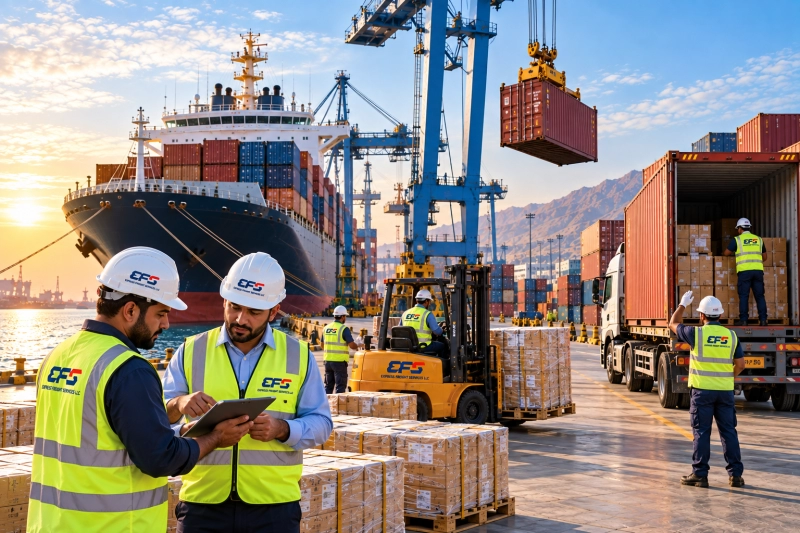

India to GCC Shipping Through Sohar Port: A Guide for Businesses
India to GCC shipping has matured into one of the most dependable trade corridors in the Indian Ocea...
Land, Sea and Air Transport in Duqm: A Complete Guide for Businesses
Duqm’s transport network has grown into one of Oman’s most strategically important logistics cor...
How Much Does It Cost for Air Cargo Service in Bidiyah: A Complete Guide by Express Freight Services LLC
Air cargo is the backbone of fast international trade, but for businesses in Bidiyah, the cost quest...