


Customs clearance is basically the whole checkpoint routine your goods have to pass when they move in or out of a country. It’s there to make sure everything follows the rules import laws, export rules, taxes, all that stuff. And honestly, it can get complicated pretty fast. That’s where customs clearing services come in. They handle the annoying parts like paperwork, duty calculations, and talking to customs officials so you don’t have to sit there figuring out forms line by line.
If you know how this process works, you can actually save a lot of time and money and avoid the classic “your shipment is stuck at customs” panic.
What Actually Happens During Customs Clearance?
Think of it as a sequence of steps your shipment has to survive:
1. Documentation Submission: You start off by sending documents Bill of Lading, Commercial Invoice, Packing List, Certificate of Origin, and whatever permits your goods need.
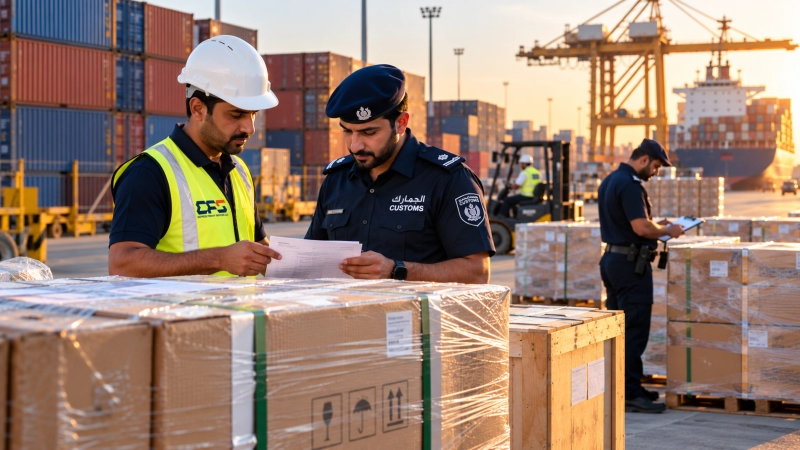
2. Customs Inspection: Sometimes they scan it. Sometimes they literally open the container. Depends on the cargo and a bit of luck.
3. Duty & Tax Calculation: Customs figures out what you owe duties, VAT, excise based on HS codes and the product’s origin.
4. Payment: Nothing moves until you pay. Simple as that.
5. Release of Goods: Once everything checks out, they issue a release order and your cargo is free to go.
Documents You’ll Almost Always Need
a) Bill of Entry (India) / Customs Entry Form (US/UK)
b) HS Code Classification
c) Import/Export Licenses
d) Inspection Certificates
Why Even Bother With a Customs Clearing Agent?
Because rules change often, documents need to be perfect, and customs isn’t known for forgiving mistakes. A good clearing agent basically keeps the whole process smooth and predictable.
What They Bring to the Table
1. They know local regulations well enough to save you from penalties.
2. Many use software that tracks your shipment in real time.
3. They catch documentation errors and handle compliance issues before they blow up.
4. And if you want, they’ll manage everything from the port to your doorstep.
Fun fact: The World Customs Organization says using a licensed broker can shrink clearance time by over 30%.
How It Works in Different Countries
India
- Controlled by CBIC (Central Board of Indirect Taxes and Customs)
- Importers need GST registration
- eSanchit handles digital document uploads
UAE
- Dubai Customs or the Federal Customs Authority oversee it
- Many processes tie into Free Trade Zones
- Re-exports often get exemptions
UK
- Post-Brexit rules = more paperwork
- Transition from CHIEF to CDS system
- Rules of origin matter a lot here
USA
- Managed by U.S. Customs and Border Protection
- Brokers need to clear a pretty tough CBP exam
- ACE is the online filing system
Importing as an Individual vs a Business (Quick Comparison)
Common Problems People Run Into
a) Wrong HS codes → higher duty or random penalties.
b) Missing documents → shipment just sits at the port.
c) Restricted goods → surprise licenses or approvals needed.
d) Currency fluctuations → duties become unpredictable.
Tip: Always double-check requirements on the destination country’s customs site before shipping anything.
Key Takeaways
1. Customs clearance ensures goods comply with local laws during import/export.
2. Hiring customs clearing services reduces risks and speeds up processing.
3. Each country has its own customs rules and digital systems.
4. Preparation, documentation, and choosing the right broker are key to successful clearance.
5. Know when a broker is essential, especially for high-value, regulated, or bulk cargo.
Simplify Global Shipping with Trusted Customs Clearing Experts
Navigating customs clearance doesn’t have to be overwhelming especially when you have the right support. Whether you're importing high-value goods, exporting regionally, or dealing with complex documentation, partnering with professionals is essential. At Express Freight Services in Oman, we specialize in customs clearing services for air, sea, and road shipments. With in-depth local knowledge, digital documentation systems, and a dedicated team of licensed brokers, we ensure your goods are cleared quickly and compliantly saving you time, money, and hassle.
View More Blogs

Customs Clearance Delays in Seeb: Common Causes and How to Avoid Them
Customs clearance delays in Seeb typically stem from documentation errors, HS code misclassification...
Shipping from Seeb to the UAE: Road Freight, Customs and Transit Times
Shipping from Seeb to the UAE is primarily a road freight operation. Most shipments move by truck th...
Air Freight Cost from Dubai in 2026: Rates, Chargeable Weight and Hidden Fees
Air freight from Dubai typically runs between AED 12 and AED 40 per kilogram depending on destinatio...